


Table of Contents
- The Maldives Nobody Tells You About
- Where Exactly Is This Place?
- How To Get There From India
- Getting Around the Atolls
- Where To Stay
- Top Things To Do — Hidden Gems Included
- Practical Travel Tips
- Best Time To Visit
- Suggested Itinerary (5 Days)
- Budget Breakdown
- Honest Final Verdict
- SEO Tags
- Image Placement Guide
- Pinterest Strategy
- The Maldives Nobody Tells You About {#introduction}

I wasn’t supposed to find Dhigurah.
It was our third day in the Maldives, and my travel buddy Rohan and I had already done the postcard version — the overwater villa, the sunset cocktails, the Instagram-perfect sandbank. Beautiful? Absolutely. Authentic? Debatable. Then our speedboat captain, a quiet man named Ahmed who clearly pitied our tourist itinerary, leaned over and said something I’ll never forget: “You want the real Maldives? Go south.”
Four hours, one local ferry, and a very bumpy ride later, we stepped onto Dhigurah island in South Ari Atoll — and I genuinely felt the air change. No resort butlers. No infinity pool DJs. Just a narrow, two-kilometre strip of land, a village smelling of fresh tuna and coconut, and a lagoon so surgically blue it looked fake. Whale sharks circled in the channel beyond the reef. Children played football on the beach. An elderly woman hung laundry outside a turquoise door.
This was the Maldives hiding behind the brochure.
If you’ve been dreaming of the Maldives but assumed it was only for honeymooners with unlimited budgets — or if you’ve already done the luxury resort thing and want to go deeper — this guide is for you. I’m going to walk you through the islands most tourists skip, what to actually pack, and how to do this trip without completely wrecking your savings account.
- Where Exactly Is This Place? {#location}
The Maldives is an archipelago of 1,192 coral islands spread across the Indian Ocean, about 700 km southwest of Sri Lanka and roughly 1,000 km from India’s southern tip. The country is organised into 26 natural atolls, of which only a fraction see significant tourist footfall. Most visitors land in Malé Atoll and rarely venture further — which is exactly why the outer atolls remain so gloriously untouched. Islands like Fulidhoo (Vaavu Atoll), Dhigurah (South Ari Atoll), Guraidhoo (South Malé Atoll), and Ukulhas (North Ari Atoll) sit within striking distance of the capital but feel like a completely different country.
- How To Get There From India {#getting-there}

Flights to Malé (Velana International Airport)
The good news: Malé is surprisingly well-connected from India. Direct flights operate from multiple Indian cities:
- Mumbai → Malé: ~2.5 hours (IndiGo, Air India, Maldivian)
- Bangalore → Malé: ~2.5 hours (IndiGo, Maldivian)
- Chennai → Malé: ~2 hours (IndiGo, Air India)
- Delhi → Malé: ~5 hours (with one stop, typically via Mumbai or Colombo)
- Kochi → Malé: ~1.5 hours (IndiGo seasonal, otherwise via Colombo)
Book at least 60–90 days in advance. I got our Mumbai–Malé return tickets for ₹18,500 per person by booking 10 weeks out. Last-minute fares can hit ₹35,000+ easily.
Budget vs. Faster Options
| Option | Speed | Cost (approx.) |
| Budget carrier (IndiGo, GoFirst) | 2.5–3 hrs | ₹12,000–₹20,000 return |
| Full-service (Air India, Qatar via DOH) | 2.5–6 hrs | ₹22,000–₹45,000 return |
| Charter (from Kochi via tour operators) | 1.5 hrs | Varies, often bundled |
Once in Malé, you have three ways to reach the outer islands:
- Domestic flights (via Maldivian / FlyMe): Fast, 20–45 min, costs $80–$200 one way. Best for Haa Dhaalu or Addu Atoll.
- Speedboat transfers: $30–$120 depending on distance. Usually arranged by your guesthouse.
- Public ferries (Maldives Transport & Contracting Company): Gloriously cheap — $1 to $5 per ride — but slow (2–8 hours depending on route) and only run on certain days. Worth it for the experience alone.
For Guraidhoo and Maafushi (South Malé Atoll), the public ferry from Malé’s Villingili Ferry Terminal costs just $1 and takes about 45 minutes. For Dhigurah, it’s a domestic flight to Maamigili or a speedboat from Maafushi — guesthouses usually coordinate this.
- Getting Around the Atolls {#getting-around}
Once you’re on a local island, getting around is beautifully simple — because most islands are tiny enough to walk end to end in 20 minutes.
- Walking: Free. Works for 90% of your island movement.
- Bicycle rental: $5–$10/day. Essential if your island is longer than 3 km (like Dhigurah at 2.7 km).
- Island hopping speedboats: $20–$60 per trip. Negotiate with local captains directly — it’s always cheaper than booking through resorts.
- Ferry passes: If you plan to island-hop extensively, buy the weekly MTCC pass. Ask your guesthouse to help — the schedules are confusing at first.
Difficulty for first-timers: Low to moderate. The islands themselves are easy to navigate. The tricky part is coordinating ferry timings, which don’t always align perfectly with your plans. Build flexibility into your schedule — a 2-hour delay on a local ferry is not unusual.
Rough cost estimates:
- Bicycle rental: MVR 50–100/day (₹270–₹550)
- Local speedboat: MVR 200–500/trip (₹1,100–₹2,700)
- Ferry ticket: MVR 10–50 (₹55–₹275)
- Where To Stay {#where-to-stay}
Gone are the days when the Maldives meant only overwater villas. Since the government opened local islands to tourism in 2009, the guesthouse scene has exploded — and it’s genuinely excellent.
Best Areas to Base Yourself
- Guraidhoo – Easy access from Malé, beautiful beach, great for budget travellers
- Maafushi – Slightly more touristy but excellent transport hub for island hopping
- Dhigurah – For wildlife lovers (whale sharks!) and those wanting a quieter vibe
- Ukulhas – Stunning natural sandbanks and a pristine bikini beach
Budget (₹2,500–₹5,000/night)
- Maakoana Guest House, Guraidhoo: Run by a lovely local family, simple rooms, great breakfast, 2-minute walk to the beach. Honest and unpretentious.
- Sand and Sea Guraidhoo: Tiny, four-room spot with reliable Wi-Fi and a rooftop. Perfect for solo travellers.
Mid-Range (₹6,000–₹12,000/night)
- Riveli Maldives, Dhigurah: My personal favourite from this trip. Stylish but not stuffy — rooftop lounge, snorkelling gear included, knowledgeable staff who’ll arrange whale shark dives.
- Maafushi Inn, Maafushi: Consistent reviews, clean rooms, solid location for ferry connections.
Luxury (₹25,000–₹70,000/night)
- You & Me by Cocoon, Uthurumaafaru: Adults-only, stunning design, all-inclusive option available. A genuine luxury experience without the Malé Atoll crowds.
If you’re considering an overwater villa experience but want real value, check out this Maldives 4N5D Beach Villa & Water Villa Package from Tripyverse — it’s one of the better-priced bundles I’ve come across for Indian travellers that combines both stay styles.
- Top Things To Do — Hidden Gems Included {#things-to-do}
Swim With Whale Sharks at Dhigurah Channel
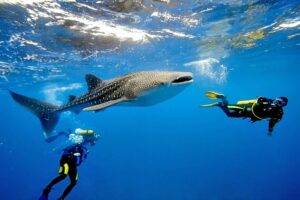
Nothing in my travel life has matched the morning I dropped into the water off Dhigurah and found myself face to face with a 7-metre whale shark moving silently beneath me. These gentle giants congregate in South Ari Atoll year-round, with peak sightings from November to April. Tours cost $40–$60 per person from Dhigurah guesthouses and include a guide, mask, fins, and approximately 45 minutes of the most humbling wildlife experience of your life.
Insider tip: Book the sunrise trip, not the afternoon one. Fewer tourist boats, calmer water, and the sharks are more active.
Explore Fulidhoo’s Blue Lagoon
Vaavu Atoll’s Fulidhoo island has a lagoon on its northern end that tourists almost never reach — partly because the public ferry only visits once or twice a week. The water is calm enough to wade chest-deep for 200 metres, the colour shifts from pale aqua to deep cobalt, and you’ll likely have it entirely to yourself on a weekday. Bring a waterproof camera. Rent a bicycle from the guesthouse and ride there in 15 minutes.
Honest warning: Fulidhoo has almost no dining options beyond your guesthouse. Stock up on snacks in Malé before you arrive.
Sandbank Picnic at Ukulhas
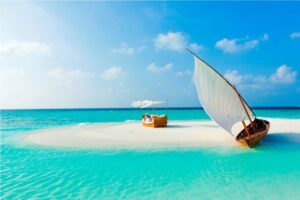
Ukulhas is known among locals as the “eco island” — it runs on solar power and has managed its beach litter better than almost anywhere in the Maldives. The uninhabited sandbank 10 minutes by boat from shore is the stuff of screensavers: pure white sand, zero shade, water in eight shades of blue. Guesthouses arrange picnic trips for $15–$25 per person. Go early morning — by 10am the sun turns brutal.
Photography note: Shoot facing east in the morning. The light bouncing off the sand and water from the east produces that luminous, magazine-quality glow.
Snorkelling the House Reef at Guraidhoo

Guraidhoo’s house reef is one of the most accessible I’ve snorkelled anywhere in the Indian Ocean — literally a 3-minute swim from the beach. The coral is in excellent health, and on a single 40-minute snorkel I counted reef sharks, a turtle napping on the bottom, and more neon-blue parrotfish than I could keep track of. No tour needed. No boat required. Just mask and fins, which your guesthouse will rent for $5/day.
Best time to snorkel: 7–9am (fish are most active, water is calmer before afternoon winds pick up).
Walk the Local Village — Maafushi Old Quarter
Most travellers staying in Maafushi spend all their time on the tourist beach and never wander five minutes into the village. The old quarter has a quiet mosque dating to the 1970s, colourful houses in candy pastels, and small local cafés serving mas huni (shredded tuna with coconut, the Maldivian breakfast that will ruin cereal for you forever). Ask your host for a walking map — many guesthouses have hand-drawn ones.
Insider tip: Friday mornings are especially atmospheric. The mosque fills, locals gather, and you get a genuine window into everyday Maldivian life.
Night Fishing with Local Fishermen
Several guesthouses on Dhigurah and Guraidhoo arrange traditional night fishing trips ($15–$25 per person) where you go out with local fishermen, fish by hand-line under the stars, and sometimes cook your catch for dinner. It sounds gimmicky until you’re bobbing in total darkness, a billion stars overhead, the phosphorescent ocean glowing faintly around the boat, and someone hands you a freshly grilled fish wrapped in a banana leaf. One of the best memories from my entire trip.
Watch the Bioluminescent Beach at Night

Vaadhoo Island in Raa Atoll is the most famous spot for bioluminescent plankton (those glowing blue waves you’ve seen all over Instagram), but the phenomenon actually occurs at various points across the atolls — including near Dhigurah and Fulidhoo between June and October. Walk the beach after 10pm, away from any lights, and if the conditions are right, the waves will glow electric blue as they break. No tour. No ticket. Just time it right.
Kayak to Uninhabited Islands
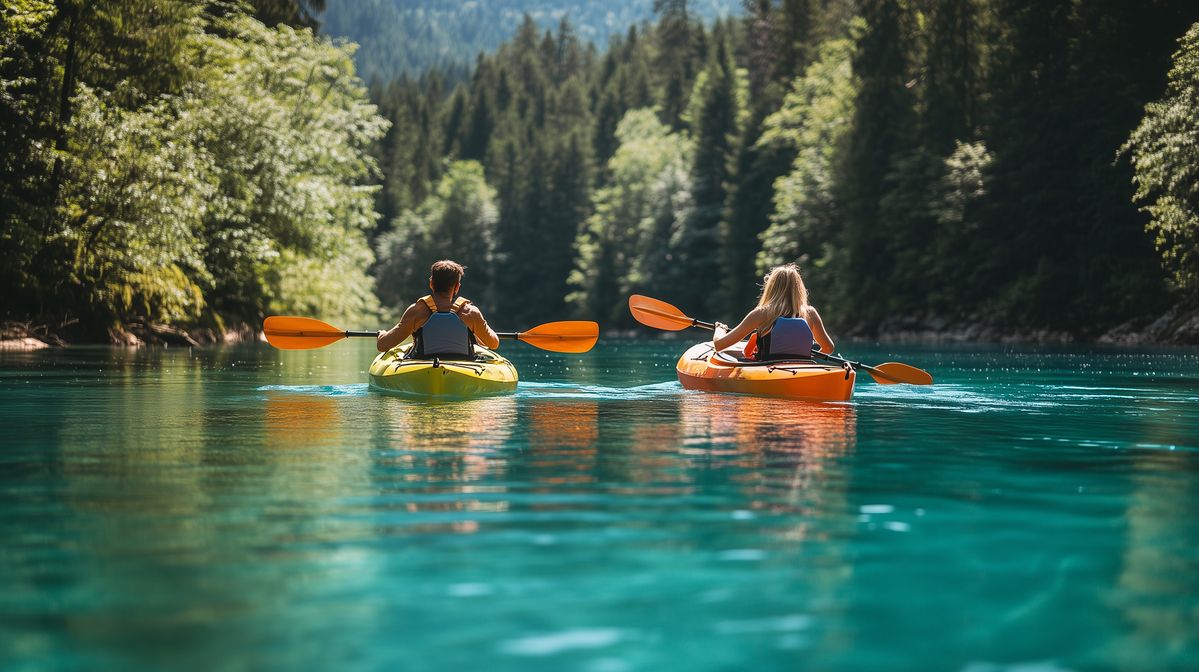
Multiple guesthouses rent kayaks ($10–$15/hour) and — crucially — know which nearby uninhabited islands you can paddle to in under an hour. This is wildly underrated. You get a completely empty beach, a wild coral reef to explore, and the deep satisfaction of reaching somewhere by your own effort. Ask at reception: “Kuda viligen?” (small uninhabited island) and watch them draw you a map with genuine enthusiasm.
Eat at a Local Café — Forget Resort Dining
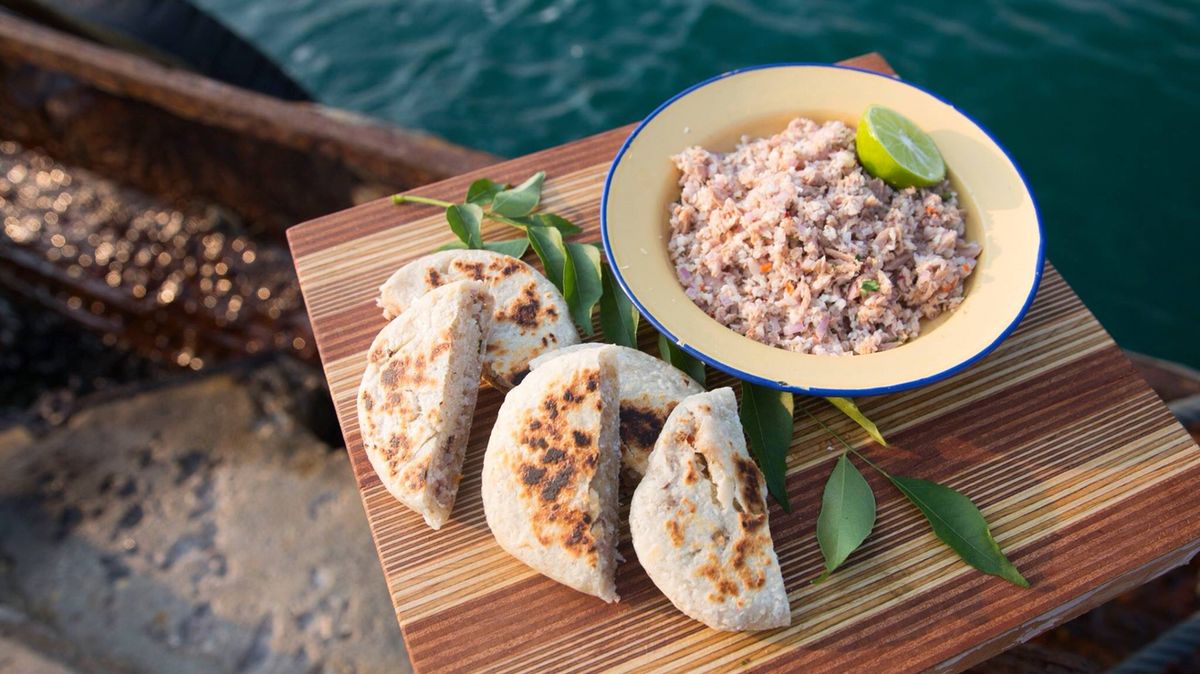
Budget travellers rejoice: local island cafés serve enormous portions of Maldivian food for $3–$6 a plate. Garudhiya (tuna broth with rice, lime, and chilli) is the national soul food — order it everywhere and notice how it varies island to island. Short eats — fried tuna rolls, coconut fritters, banana chips — appear at tea-time in every café and are frankly addictive. Drink kurumba (fresh king coconut) at $1–$1.50. Skip the resort restaurants charging $30 for pasta.
- Practical Travel Tips {#practical-tips}
Packing for the Maldives — What You Actually Need
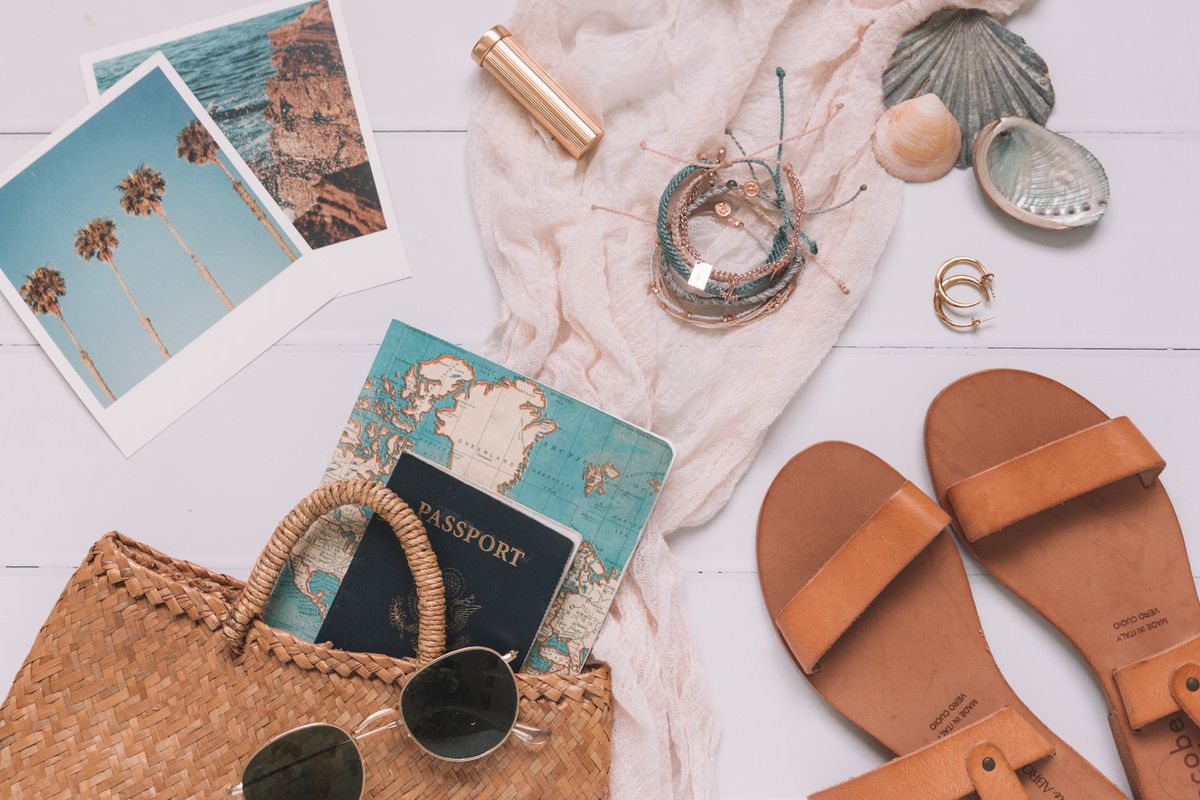
This is the section I wish I’d had before my trip. The Maldives has specific packing requirements that no generic “tropical destination” list covers properly.
Must-pack items:
- Reef-safe sunscreen only — chemical sunscreens are actively damaging the coral and increasingly frowned upon. Pack zinc-based SPF before you leave India (brands like Blue Lizard or Stream2Sea). Finding reef-safe sunscreen in Malé is possible but expensive.
- Rash guard — more useful than sunscreen for long snorkelling sessions. Also culturally appropriate for swimming near local villages.
- Dry bag (15–20L) — for ferry rides, kayaking, and any activity involving a boat. Your phone and passport will thank you.
- Underwater camera or waterproof phone case — non-negotiable. You will miss shots you will regret.
- Light modest clothing — local islands are conservative. Women should carry a sarong or light shawl for walking through villages. Bikinis are fine on designated bikini beaches but not on the main island beach.
- Electrolyte tablets / ORS sachets — humidity + snorkelling + sun = dehydration you won’t notice until it hits hard. Rehydration salts from India are far cheaper than what’s available locally.
- Sea-sickness tablets — ferry rides can be choppy. Bring Avomine or similar if you’re prone.
- Quick-dry towel — resorts provide towels; guesthouses often don’t, or charge extra.
- Portable power bank — power cuts are occasional on smaller islands.
- Universal travel adapter — Maldives uses UK-style Type G plugs.
What NOT to bring:
- Formal or heavy clothing — you won’t wear it once
- Hair dryer (guesthouses usually have them)
- Large bottles of shampoo/conditioner (travel-size only; luggage weight matters on domestic flights)
Cash vs. Card The Maldivian Rufiyaa (MVR) is the local currency. US Dollars are accepted almost everywhere in tourist areas. Carry a mix: USD for larger payments and bookings, MVR for local cafés, ferries, and village shops. ATMs exist in Malé and on Maafushi but are unreliable on smaller islands. Withdraw before you travel to outer atolls. Wise or Niyo card holders can use USD directly at most guesthouses.
Local SIM / Internet Buy a Dhiraagu or Ooredoo tourist SIM at Malé airport arrivals. A 7-day tourist SIM with 15GB data costs approximately $15–$18. Dhiraagu has slightly better coverage on outer islands. Speed is decent (4G) in South Malé Atoll; more patchy in Vaavu and Ari.
Safety The Maldives is one of the safest countries in the Indian Ocean for tourists. Petty crime is extremely rare. The main concerns are: strong ocean currents (always check with locals before swimming in unfamiliar areas), sunburn (genuinely severe in the equatorial sun), and dehydration. Solo women travellers are very comfortable here, particularly on guesthouses islands which have clear bikini/non-bikini beach designations that the communities respect.
Useful Apps
- MTCC Ferry — public ferry schedules and routes
- Dhiraagu MyAccount — SIM top-up and data management
- Maldives Transport — speedboat booking aggregator
- XE Currency — MVR/INR/USD converter
- Best Time To Visit {#best-time}
The Maldives has two seasons, and understanding them prevents disappointment:
Dry Season: November to April This is peak season and the undisputed best time to visit. Clear skies, calm seas, visibility up to 30 metres underwater, and reliable sunshine. November and early December offer the best balance of good weather and moderate prices. December 20 – January 10 is peak-peak — flights and guesthouses can cost 40–70% more and available rooms thin out fast.
| Month | Weather | Crowds | Whale Sharks | Cost |
| November | ⭐⭐⭐⭐⭐ Excellent | Moderate | High | Mid |
| December | ⭐⭐⭐⭐⭐ Excellent | High | High | High |
| January | ⭐⭐⭐⭐⭐ Excellent | High | High | High |
| February | ⭐⭐⭐⭐⭐ Excellent | Moderate | High | Mid-High |
| March | ⭐⭐⭐⭐ Very Good | Moderate | High | Mid |
| April | ⭐⭐⭐ Good | Low | Moderate | Budget |
Wet Season: May to October The southwest monsoon brings rain, rougher seas, and significantly lower prices. May and October are transitional months — some rain but often fine for days at a time. June–August sees the most consistent rain, though mornings are often clear and snorkelling is still possible. Bioluminescence peaks during this period. If you’re on a tight budget, shoulder season (May or October) is the sweet spot — roughly 30% cheaper with mostly manageable weather.
Months to Avoid if You Can: June–August for extended outdoor activities. Not because it rains all day (it doesn’t) but because the wind and swell make island hopping by local ferry genuinely uncomfortable and whale shark sightings are less reliable.
- Suggested Itinerary — 5 Days {#itinerary}
This itinerary is designed for Indian travellers coming from Mumbai/Bangalore, focused on local island experience with one luxury night included. If you want a more structured guided version of a 5-day Maldives trip, check out this complete 5-day Maldives itinerary for first-timers that covers the planning side in detail.
Day 1 — Arrive in Malé → Guraidhoo
- Land in Malé, clear immigration, grab Dhiraagu SIM at arrivals
- Take the Villingili Ferry to Guraidhoo ($1, 45 min)
- Check into guesthouse, swim the house reef at sunset
- Dinner at a local café: garudhiya and mas huni
- Daily spend: ₹4,000–₹6,000 (mid-range)
Day 2 — Guraidhoo Full Day
- Morning snorkel (reef sharks, turtles)
- Afternoon: rent a bicycle, explore the village, stop at the old mosque
- Evening: arrange night fishing trip with guesthouse
- Daily spend: ₹3,500–₹5,500
Day 3 — Guraidhoo → Maafushi
- Morning speedboat to Maafushi (guesthouse arranges, $20–$30)
- Check in, afternoon kayaking toward uninhabited sandbank
- Sundowner drinks (non-alcoholic — it’s a dry local island) on the tourist beach
- Daily spend: ₹4,000–₹7,000
Day 4 — Maafushi → Dhigurah
- Early speedboat to Dhigurah ($40–$60, guesthouse packages it)
- Check into Riveli Maldives or similar mid-range guesthouse
- 3pm: Whale shark snorkelling tour ($50 per person)
- Night: bioluminescent beach walk if conditions allow
- Daily spend: ₹8,000–₹12,000 (whale shark tour costs bump this up)
Day 5 — Dhigurah → Malé → Fly Home
- Early morning kayak or sandbank visit
- Noon speedboat or domestic flight back to Malé
- Airport: pick up local snacks (tuna chips, coconut products) from duty-free
- Evening flight home
- Daily spend: ₹3,000–₹5,000 (transfer + airport day)
- Budget Breakdown {#budget}

Per Person, 5 Nights (excluding flights)
| Expense Category | Budget Traveller | Mid-Range | Luxury |
| Accommodation (5 nights) | ₹12,500 | ₹30,000 | ₹1,25,000+ |
| Local ferry & speedboats | ₹3,000 | ₹7,000 | ₹15,000 |
| Food & drinks | ₹7,500 | ₹12,000 | ₹25,000 |
| Activities (snorkel, whale shark, fishing) | ₹5,000 | ₹10,000 | ₹18,000 |
| SIM card & misc | ₹1,500 | ₹2,000 | ₹3,000 |
| Total (excl. flights) | ₹29,500 | ₹61,000 | ₹1,86,000+ |
Return flights from India: ₹15,000–₹35,000 per person (booked in advance)
Where to save: Local ferries over speedboats, guesthouse over resort, local cafés over beachfront restaurants, self-arranged snorkel over dive school packages.
Where to splurge: The whale shark experience (worth every rupee), a single night in a water villa (even one night transforms the trip), and reef-safe sunscreen before you leave India (cheaper than buying it in Malé).
For Indian travellers keeping costs below ₹50,000 total, it’s genuinely possible — here’s a detailed Maldives under ₹50,000 budget guide that breaks down every rupee.
- Honest Final Verdict {#verdict}
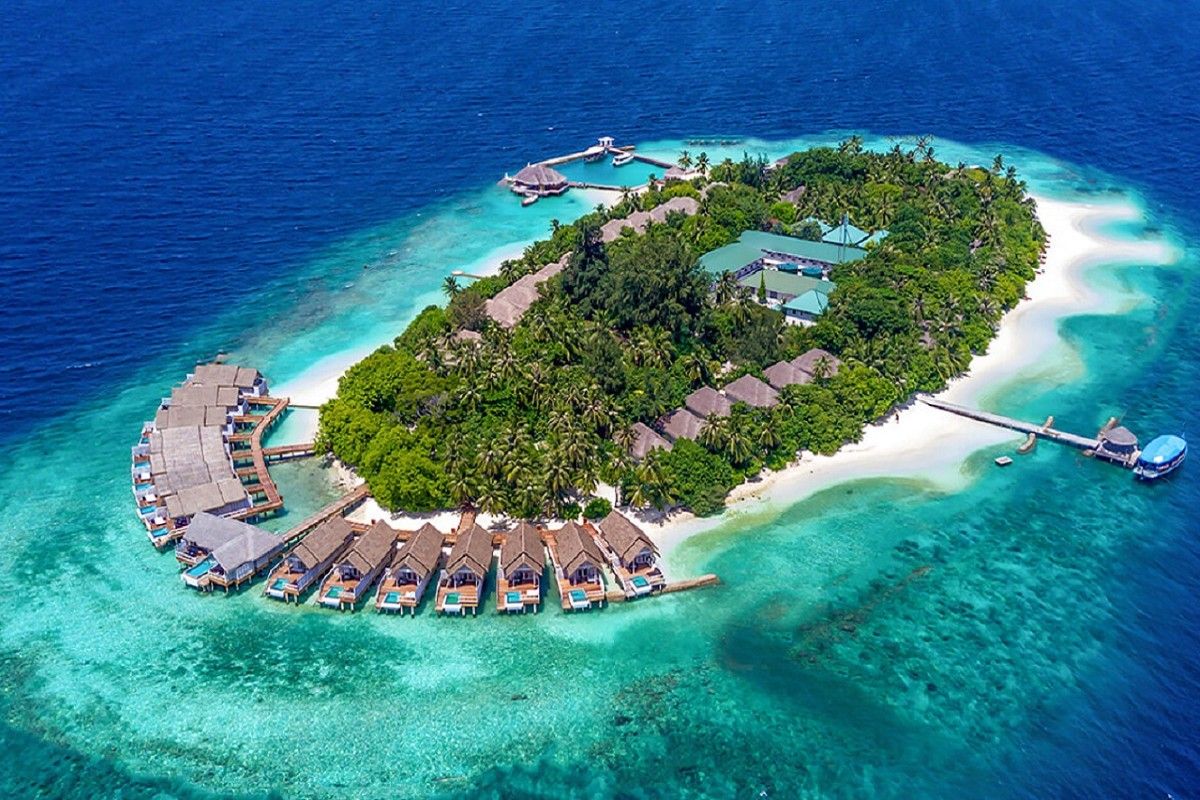
What genuinely impressed me: the ocean. I know that sounds obvious, but until you’re actually in it — hovering above coral gardens that look like stained glass, or watching a whale shark roll past unhurried in the blue, or standing waist-deep in water that’s simultaneously warm and achingly clear — you can’t fully understand why people who’ve been to the Maldives always look slightly changed when they come back.
The local island scene has also matured into something that deserves way more credit. Thoughtful guesthouses, genuinely welcoming communities, food that’s simple and brilliant — it’s a real travel experience now, not just a backdrop for content creation.
The honest drawback: Alcohol is illegal on local islands. If your ideal holiday includes sundowners on the beach, you’ll need to either stay at a resort island or take a day trip to a resort for a meal. This isn’t a dealbreaker — I barely noticed it — but it’s worth knowing.
Also honest: The Maldives is not a destination for people who get bored easily. If you need constant stimulation, a city break in Singapore or Bali might suit you better. Speaking of which — if you’re planning a Southeast Asia trip too, Bali 2026 is exceptional for a combined Indian Ocean itinerary.
Perfect for:
- Couples looking for romance without the resort price tag
- Underwater photography enthusiasts
- Anyone who wants to actually swim with whale sharks
- Budget Indian travellers willing to do the local island circuit
- Honeymooners who want to split time between luxury and local
Maybe skip if:
- You need nightlife or a full party beach scene
- You get severe seasickness (ferry rides are rough in monsoon season)
- You’re travelling with very young children (ferries and guesthouses aren’t always child-friendly)
The Maldives hidden island circuit changed the way I think about this destination. It’s no longer just the world’s most expensive honeymoon — it’s one of the Indian Ocean’s best slow-travel adventures, if you know where to look.
If you’re inspired and want to explore other offbeat Indian Ocean and South Asian gems, our guides on Kerala’s best destinations in 2026 and Singapore hidden gems are worth bookmarking for your next trip.