

📋 Table of Contents
- The Mistake That Taught Me Everything About Jaipur Travel
- Understanding Jaipur Before You Arrive
- How To Get To Jaipur Smartly
- Getting Around Without Overpaying
- Where To Stay — Location Decisions That Matter
- 25 Essential Jaipur Travel Tips
- Practical Travel Essentials
- Best Time To Visit Jaipur
- 5-Day Jaipur Itinerary Built Around These Tips
- Budget Breakdown
- Final Verdict — Honest Assessment
The Mistake That Taught Me Everything About Jaipur Travel {#mistake}
I arrived in Jaipur for the first time at 2 PM on a Saturday in December.
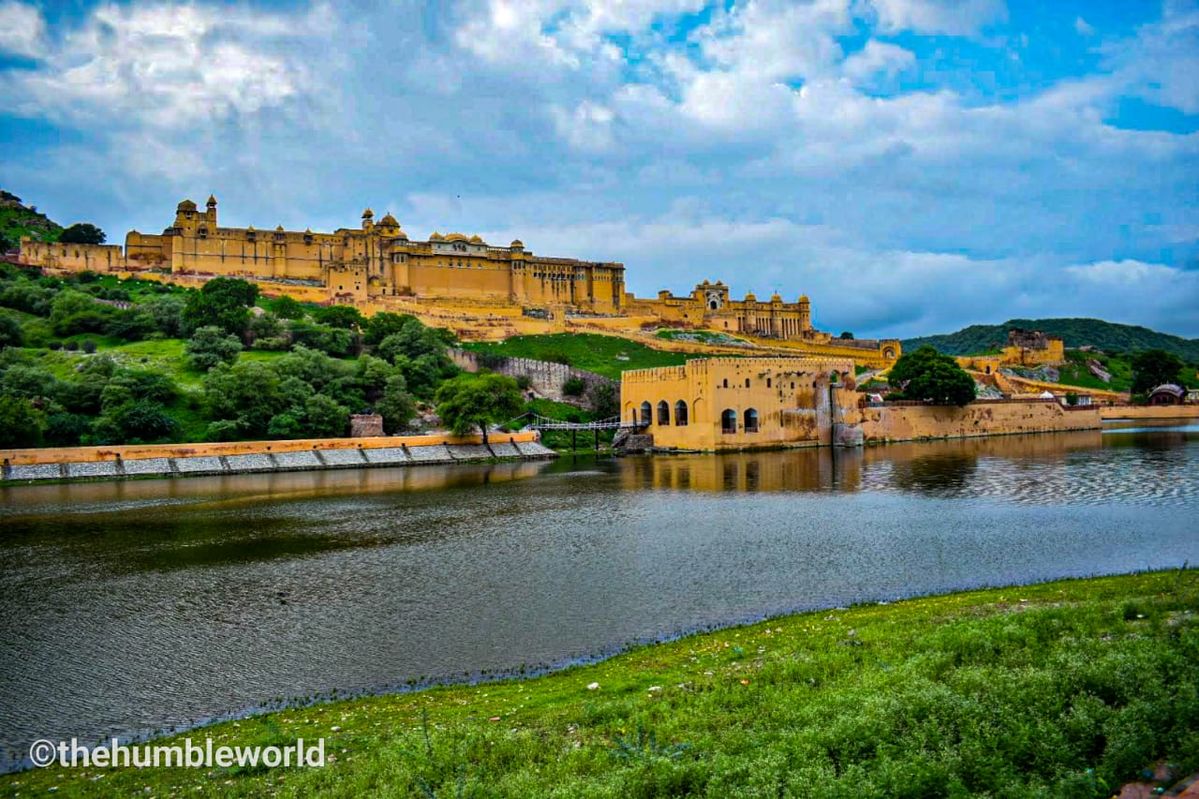
Within the first three hours, I had paid ₹500 for an auto-rickshaw ride that should have cost ₹150, bought a “government-fixed-price” gemstone that was neither government nor fixed, eaten at a tourist-facing restaurant that served an ordinary dal for ₹280 when the dhaba twenty metres behind it charged ₹80 for the same preparation, and missed the Amber Fort’s morning light entirely because nobody had told me the correct visiting time.
By 6 PM, I had spent approximately ₹2,000 more than necessary and seen everything I wanted to see through a haze of minor frustrations that could all have been avoided with thirty minutes of correct research before departure.
I went back to Jaipur three months later with the specific intention of doing it correctly. The second trip cost ₹1,400 less for the same five days, produced better photographs, included experiences the first trip missed entirely, and came home without a single avoidable regret.
This guide is everything that second trip taught me. Every tip here has a corresponding mistake behind it. Read it before you book anything.
Understanding Jaipur Before You Arrive {#understanding}

Jaipur is Rajasthan’s capital — India’s largest state by area — situated approximately 270 kilometres southwest of Delhi and 240 kilometres northwest of Agra. It anchors one corner of India’s famous Golden Triangle tourist circuit and sits at the precise geographic and cultural intersection of Mughal, Rajput, and colonial architectural traditions.
The city was founded in 1727 as one of India’s first planned cities — the wide central avenues, the colour-coded commercial zones, and the distinctive terracotta-pink buildings of the old city are not accidental but the product of a specific urban planning vision executed 300 years ago and largely maintained since. The pink colour was applied for Prince Albert’s 1876 visit by royal decree and has been maintained by municipal regulation ever since.
Understanding Jaipur’s geography before you arrive makes every planning decision cleaner: the old city (Pink City) is the cultural and food heart, the Amber-Jaigarh-Nahargarh fort triangle is 14 kilometres north, and the newer commercial areas (MI Road, C-Scheme) sit between them. Most mistakes happen when tourists don’t understand which zone they need to be in for which experience.
How To Get To Jaipur Smartly {#how-to-get}
By Train — The Smart Choice: The Delhi-Jaipur Shatabdi Express (4.5 hours, ₹600–₹800 Chair Car) from New Delhi Junction is the most reliable and practical option from the north. Book on IRCTC app 2–3 weeks ahead for confirmed seats. The Intercity Express costs ₹160–₹250 in sleeper class and takes 5–5.5 hours — fine for budget travelers with time flexibility.
By Bus — The Budget Alternative: RSRTC Volvo buses from Delhi’s Sarai Kale Khan terminal to Jaipur run ₹500–₹600 one way and take 5–6 hours. Comfortable, reliable, no booking complexity required. Private operators offer similar prices with slightly less reliability.
By Flight — When Deals Align: Jaipur International Airport (JAI) has direct flights from Delhi (45 minutes), Mumbai (1.5 hours), and Bangalore. Budget fares on IndiGo and SpiceJet occasionally drop to ₹1,500–₹2,500 one way booked 6–8 weeks ahead — worth monitoring if flying from Mumbai or Bangalore specifically.
The Golden Triangle connection: If you’re combining Jaipur with Delhi and Agra, the Tripyverse Golden Triangle Package covers all three cities with transfers, accommodation, and guided fort visits arranged — worth calculating against individual booking costs for a first-time visitor who wants the logistics handled.
Getting Around Without Overpaying {#getting-around}
Auto-rickshaws — Your Primary Tool: Jaipur runs on autos and the pricing is entirely negotiated. The correct process: decide your destination, open Uber on your phone to see the approximate distance and fare, negotiate with the auto driver at 70–80% of the Uber price. Never accept the first quoted price — it is invariably 2–3 times the correct fare. Standard routes:
- Old city to Amber Fort: ₹150–₹200
- Within old city short trips: ₹50–₹100
- Old city to Nahargarh Fort: ₹120–₹150
- Old city to railway station: ₹80–₹120
Uber and Ola — For Transparent Pricing: Both operate across Jaipur with fixed app-based pricing. Essential for airport and railway station arrivals when you’re tired, carrying bags, and don’t want to negotiate. City journeys typically ₹60–₹180. Use for benchmark pricing in auto negotiations.
Walking — Underused and Valuable: The old city heritage core — Hawa Mahal, City Palace, Jantar Mantar, Johari Bazaar, Albert Hall — is walkable within a 2-kilometre radius. Walking produces better photography opportunities, better food discoveries, and genuine encounters with the city that disappear through an auto window.
Jaipur Metro — Limited but Cheap: Single journey ₹9–₹23. Currently covers limited routes — useful specifically for the Chandpole area and MI Road corridor. Not a comprehensive city network.
Where To Stay — Location Decisions That Matter {#where-to-stay}
The single most important accommodation decision in Jaipur: Stay in the old city or within 1–2 kilometres of Hawa Mahal. This eliminates the ₹300–₹400 daily transport costs that accumulate when staying in peripheral hotels, puts you walking distance from the best food streets, and means the morning kachori at Rawat Mishthan Bhandar is a ten-minute walk rather than a forty-five minute auto ride.
Budget Tier — ₹500–₹1,500 per night:
Hotel Pearl Palace — Jaipur’s most consistently recommended budget stay for independent travelers. The owner gives honest, commission-free advice about fort visiting times, restaurant choices, and transport prices that has saved every guest I’ve spoken to at least ₹500 per day in avoidable overcharges. Rooftop restaurant with Nahargarh views. From ₹800.
Zostel Jaipur — Best hostel in the city. Old city location, genuine social atmosphere, staff who care about giving correct practical information. Dorm from ₹450, private from ₹1,100.
Dera Rawatsar — Heritage haveli guesthouse in the old city. Character, courtyard, honest pricing, and the specific atmosphere of sleeping inside a genuine Rajasthani merchant home. From ₹900.
Mid-Range Tier — ₹3,000–₹8,000 per night:
Alsisar Haveli — 1892 restored haveli with painted courtyard and rooftop pool. The most atmospherically complete mid-range stay in the old city area. ₹4,000–₹6,000.
Samode Haveli — 475-year-old haveli with remarkable painted murals, rooftop restaurant, and genuine heritage character. ₹5,000–₹9,000.
Luxury Tier — ₹15,000+:
Rambagh Palace (Taj) — The Maharaja’s former residence. 47 acres, heritage suites, ceremonial atmosphere. The benchmark for Jaipur luxury.
25 Essential Jaipur Travel Tips {#essential-tips}
Tips 1–5: Planning & Booking {#planning-tips}
Tip 1 — Book Amber Fort online, always. Amber Fort has variable pricing based on booking method — online bookings through the official ASI portal occasionally offer advance slots that avoid long queues during peak season. More importantly, arriving with a pre-planned slot means you go straight to the entry gate rather than standing in the ticket queue for 20–30 minutes. Book at rajasthanpalaces.in or through the official Rajasthan Tourism portal.
Tip 2 — The fort triangle requires a full day — don’t underplan. Amber Fort, Jaigarh Fort, and Nahargarh Fort together represent the finest day of heritage tourism available in Rajasthan. Attempting all three in half a day produces a rushed experience of none of them. Allocate 7 AM to 7 PM minimum: Amber Fort (7 AM entry, 3 hours), Jaigarh (11 AM, 1.5 hours), lunch at a roadside dhaba, Nahargarh (3 PM entry, 2.5 hours including sunset).
Tip 3 — Plan your itinerary by zone, not by name. Jaipur’s sights cluster in two distinct geographic zones: the old city (City Palace, Hawa Mahal, Jantar Mantar, Albert Hall, bazaars) and the northern fort zone (Amber, Jaigarh, Nahargarh, Panna Meena Ka Kund). Plan full days in each zone rather than bouncing between them — every cross-zone auto trip costs ₹150–₹200 and wastes 30–45 minutes.
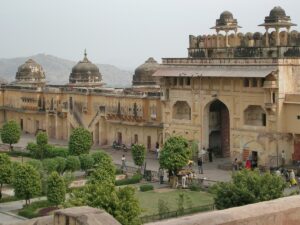
Tip 4 — Arrive at Amber Fort at 7 AM without exception. The fort opens at 8 AM (light-and-sound season timing may vary — verify current hours). The first slot produces three things simultaneously: the best morning light on the amber sandstone, the emptiest fort interior for photography, and the experience of moving through the Sheesh Mahal and Ganesh Pol without 200 other tourists in your sightline. By 10 AM on any December or January weekend, Amber Fort is genuinely crowded. The 7 AM version is entirely different.
Tip 5 — Book the Amber Fort Light and Sound Show in advance. The evening light-and-sound show at Amber Fort (₹200–₹295, 45 minutes) is one of Rajasthan’s finest cultural experiences — the fort illuminated, the story of the Kachawa dynasty narrated across its architecture. It sells out on weekends and during peak season. Book through Rajasthan Tourism online or at the fort ticket counter before 4 PM the same day.
Tips 6–10: Money & Budget Hacks {#money-tips}

Tip 6 — The gem shop commission circuit is Jaipur’s biggest tourist trap. Auto drivers in Jaipur receive significant referral commissions from gem shops, carpet dealers, and “government emporiums.” The standard technique: the driver suggests a “quick stop” at a shop with “fixed government prices” before your destination. The shop is not government-affiliated. The prices are not fixed. The commission is built into whatever you pay. Decline all unsolicited shopping suggestions from auto drivers with firm, polite consistency: “No shopping today, only forts.”
Tip 7 — Walk one street back from Johari Bazaar for half-price food. The restaurants visible from Jaipur’s main tourist food street (Johari Bazaar) charge tourist premiums for standard Rajasthani food. The dhabas one lane back from the main street serve identical preparations for 40–60% less. The specific indicator of a dhaba at correct pricing: local workers eating at noon, no English menu, no rooftop view. The food quality at these establishments is consistently equal to or better than the tourist-facing restaurants.
Tip 8 — The City Palace + Jantar Mantar combo ticket is always the correct choice. ₹500 for Indians covers both City Palace and Jantar Mantar — two UNESCO-adjacent sites in a combined ticket that costs significantly less than purchasing separately. Never buy individual tickets for these sites. Always ask for the combo at the City Palace ticket counter.
Tip 9 — Negotiate auto prices before boarding, not after arriving. The single most common Jaipur tourist money mistake: boarding an auto without agreeing on the price, then discovering on arrival that the driver expects 3x the correct fare. The correct process: state your destination, ask “kitna?” (how much?), receive a price, offer 60% of it, settle around 70–75%. Do this before getting in. Never negotiate after reaching the destination.
Tip 10 — UPI works at most forts — use it for entry fees. Most Rajasthan Archaeological Survey of India (ASI) fort entry gates now accept UPI payment via QR code scan. This means carrying exact change for entry fees is no longer necessary — but carrying small denomination notes (₹50, ₹100) for street food, chai, and auto-rickshaws remains essential.
Tips 11–15: Fort & Attraction Tips {#fort-tips}
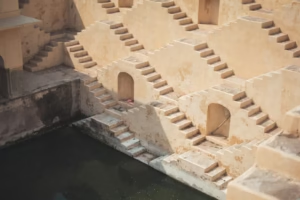
Tip 11 — Panna Meena Ka Kund is 5 minutes from Amber Fort and completely free. The 16th-century geometric stepwell is 400 metres from Amber Fort’s main gate — Google Maps finds it in 30 seconds — and visited by approximately 2% of the people who queue for Amber. At 7:30 AM it is typically empty. The zigzagging geometric stairways and morning shadow patterns produce some of the finest fort-zone photography available in Jaipur. Entry: free. For the complete guide to hidden Jaipur experiences beyond the palaces, our Hidden Places in Jaipur 2026: Beyond the Palaces covers every secret site in full depth.

Tip 12 — Nahargarh sunset requires a 4 PM arrival minimum. The sunset from Nahargarh Fort’s ramparts is Jaipur’s finest visual experience — the entire Pink City below, turning from gold to amber to deep rose as the sun drops behind the Aravalli hills. But the prime rampart positions are occupied by visitors who arrive early. Reaching the viewpoint at 5:30 PM means standing behind a crowd that arrived at 4 PM and claimed the forward positions. Arrive by 4 PM, claim your position, and wait the 90 minutes — it is unambiguously worth it.
Tip 13 — Albert Hall Museum is Jaipur’s most consistently overlooked attraction. The 1887 Indo-Saracenic building houses Rajasthani miniature paintings, royal carpets, decorative arts, and an Egyptian mummy that consistently surprises visitors who had no idea it existed in Jaipur. Entry: ₹150 for Indians. The building’s exterior illuminated at night is one of Jaipur’s finest photography moments and visible from the street without entry. Most tourists walk past. Don’t be most tourists.
Tip 14 — The Amber Fort audio guide is worth it — use it at Jantar Mantar specifically. The audio guide (included in the ₹500 City Palace combo ticket) is essential at Jantar Mantar — without the narration explaining what each of the 19 astronomical instruments actually does, the site looks like impressive stone structures without decipherable purpose. The guide explains the Samrat Yantra’s 2-second accuracy, the function of each observatory, and the historical context that makes the scientific achievement genuinely astonishing. Don’t skip it.
Tip 15 — Jaigarh Fort is almost always skipped and almost always worth visiting. Most visitors do Amber and skip Jaigarh to save ₹135 and 1.5 hours. The Jaivana cannon — the world’s largest wheeled cannon at 6.15 metres, fired once in history, with a landing point 35 kilometres away — is genuinely extraordinary and genuinely surprising. The view of Amber Fort from Jaigarh’s higher position is the finest elevated fort photography available in the entire Jaipur area. Budget the ₹135 and the time.
Tips 16–20: Food Tips for Tourists {#food-tips}

Tip 16 — Rawat Mishthan Bhandar at 8 AM is non-negotiable. Rawat on Station Road is Jaipur’s most famous kachori vendor — pyaaz kachori (₹25–₹30) and mirchi bada (₹20–₹25) made fresh in batches from 6 AM. The morning queue of local office workers and auto drivers is the quality indicator. Arrive by 8 AM for the freshest batch. By 10 AM the earlier batches have cooled and the texture is different. The morning window is the experience. For the complete Rajasthani food education — all fifteen essential dishes explained with restaurant recommendations — our Rajasthani Food Guide Jaipur 2026: 15 Must Try Dishes covers everything from dal baati churma to ghevar in full detail.

Tip 17 — Dal baati churma at a residential dhaba beats the tourist restaurant version. The ₹130–₹150 thali at a Ramganj backstreet dhaba includes the same dal baati churma that LMB charges ₹280–₹350 for — the same dish, the same tradition, cooked by someone who has been making it their entire working life. Ask your guesthouse staff where they personally eat lunch. The answer is always more useful than any restaurant listing.

Tip 18 — The MI Road Lassiwala sells out — go before noon. The famous Jaipur lassi (saffron, thick, clay glass, since 1944) at MI Road Lassiwala (₹60–₹80) is sold in finite quantities made from the morning’s curd. By 1–2 PM on busy days the best flavours have sold out. Saffron typically sells first. Go before noon. Go on an empty stomach.

Tip 19 — Chokhi Dhani is genuine, not gimmicky — but requires the right expectations. The evening cultural village (₹900–₹1,200 including dinner, 20 km from city) is sometimes dismissed as a tourist construction. The folk music is live, the puppeteers are genuine craftspeople, and the dal baati churma served on the ground at low tables is authentically prepared. It is a managed experience rather than a spontaneous one — but “managed” doesn’t mean “inauthentic” when the management is done with genuine craft and quality. Worth one evening.
Tip 20 — The “fixed price government shop” does not exist. Any auto driver, hotel staff, or stranger who directs you to a “government-approved fixed-price shop” for gems, carpets, or textiles is sending you somewhere that pays them a commission. Legitimate government emporiums (Rajasthali) exist and have fixed prices — but you can find them yourself on Google Maps without needing anyone to take you there. The shops to which you are spontaneously directed are never them.
Tips 21–25: Safety, Culture & Packing {#safety-tips}
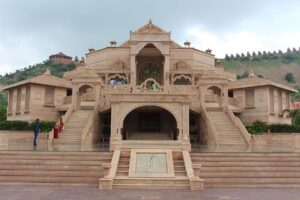
Tip 21 — Temple dress code — carry a scarf or sarong, always. Galtaji Temple, City Palace’s temple section, and several minor old city temples require covering the lower body and shoulders. Most provide rental sarongs (₹20–₹30) but carrying your own lightweight cotton scarf or sarong in your day bag eliminates every temple entry situation without needing to remember a separate item each day. This applies to both male and female visitors.
Tip 22 — Jaipur is safe — but street harassment in bazaars requires confident responses. The old city bazaars have active sales pressure from vendors, guides, and commission-motivated touts. The correct technique: walk with purpose, maintain eye contact briefly to communicate awareness rather than avoid it, and deliver “no, thank you” with the same energy you’d use to indicate you don’t want anything from a waiter. Extended eye contact with a tout while continuing to walk communicates “I know what’s happening and I’m not interested” more effectively than elaborate explanations.
Tip 23 — The heat between April and June requires morning-only outdoor planning. Jaipur’s summer temperatures reach 42–46°C. Fort visits between 10 AM and 5 PM in this period are genuinely uncomfortable and potentially unsafe without significant water intake. The morning fort experience (Amber Fort at 7 AM, Panna Meena Ka Kund at 8 AM) remains manageable and beautiful. Midday museum visits (Albert Hall, City Palace interiors) provide air-conditioned shelter. The evening Nahargarh sunset remains spectacular regardless of summer heat because temperatures drop significantly after 6 PM.
Tip 24 — Photography fees at forts — always ask at the ticket counter. Several Jaipur fort and palace complexes charge a separate camera fee (₹50–₹200) in addition to the entry fee. Always ask at the ticket counter whether a camera fee applies before entering — being asked for it at internal security checkpoints after you’ve already entered is more frustrating than the nominal fee itself.
Tip 25 — Your guesthouse owner is your best resource — use them specifically. The owners of Hotel Pearl Palace, Zostel Jaipur, and Dera Rawatsar have extensive local knowledge and no commission motivation to send you anywhere specific. The question “where do you personally eat lunch?” produces consistently better restaurant recommendations than any app. The question “which driver do you trust for Amber Fort?” produces better transport than any street negotiation. The question “is this a good price?” about a market item produces honest assessment rather than polite deflection. Use the resource.
Practical Travel Essentials {#practical}
Cash vs Card: UPI and cards work at major hotels, restaurants, and fort entry gates. Cash is essential for auto-rickshaws, street food, market vendors, smaller guesthouses, and chai stalls. Keep ₹1,000–₹2,000 in small denomination notes (₹50, ₹100) for daily transactions. Large notes create change problems at street food stalls.
SIM card: Jio has the best coverage across all Jaipur zones including the Aravalli hill areas around Nahargarh and the rural Abhaneri approach road. An existing Jio SIM works perfectly. BSNL is worth having as backup for remote excursions.
Google Maps offline: Download the Jaipur offline map before departure — covers all fort approach roads, old city lanes, and the Abhaneri day trip route.
IRCTC app: Essential for train booking and real-time PNR status. Download before travel, register your account in advance — the registration process requires phone verification that takes 24 hours.
Zomato: Works well for Jaipur restaurant research. Filter by “pure veg” for vegetarian-only options. The review quality for Jaipur’s mid-range restaurants is generally reliable.
Photography: Smartphone cameras produce excellent Amber Fort, Hawa Mahal, and Nahargarh sunset photography. The morning light at 7–9 AM at all major sites produces the best results regardless of camera type. The Amber Fort Sheesh Mahal requires a wide-angle lens or smartphone panorama mode to capture the full ceiling.
Best Time To Visit Jaipur {#best-time}

October to February — Peak Season (Optimal Conditions): Temperatures between 12–25°C, clear desert light, the sharp visual quality that makes fort photography extraordinary. October and November hit the sweet spot — peak conditions without December-January pricing premiums. The Jaipur Literature Festival (typically January) adds a distinctive cultural dimension but also fills accommodation 4–6 weeks ahead.
March — Holi Festival Window: Jaipur’s Holi is among India’s most exuberant. The city turns vivid with colour, accommodation fills completely, and the atmosphere is genuinely festive. Budget an additional ₹500–₹800 per day during this window for the accommodation premium. Book 6–8 weeks ahead for any quality accommodation.
April to June — Heat Window: 42–46°C temperatures make midday outdoor activity genuinely challenging. However: fort entry fees, accommodation prices, and crowd levels all drop significantly. The morning fort experience (before 10 AM) remains excellent. The evening Nahargarh sunset remains spectacular. Budget travelers with heat tolerance find April–May genuinely viable.
July to September — Monsoon: Rajasthan receives lighter monsoon than coastal states but real rainfall. The Aravalli hills turn unexpectedly green, Maota Lake below Amber fills to its photogenic maximum, and the monsoon light on the amber sandstone produces photography that the dry season cannot replicate. Accommodation prices drop 30–40%. Viable and genuinely beautiful for photographers and budget travelers.
My recommendation: October, November, or February for the best combination of conditions, light quality, crowd management, and pricing. December–January is beautiful but expensive and crowded — book everything 6–8 weeks ahead if visiting then.
5-Day Jaipur Itinerary Built Around These Tips {#itinerary}

Day 1 — Old City Arrival & Orientation
3 PM: Check in to old city guesthouse. Walk to accommodation from Jaipur Junction (15 minutes) or Uber (₹80–₹100).
4 PM: Old city orientation walk — Hawa Mahal exterior (free, photograph from rooftop café opposite for ₹30 chai), Johari Bazaar walk, identify the dhaba one street back from the tourist restaurants.
7 PM: LMB Johari Bazaar for the first full Rajasthani thali — the benchmark establishment for comparing dhaba versions later (₹280–₹350).
9 PM: Albert Hall exterior photography as the illumination begins (free from street).
Daily spend: ₹800–₹1,200 (including accommodation)
Day 2 — Fort Triangle Day
6:45 AM: Auto or Uber to Amber Fort (arrive 7 AM — first entry). Sheesh Mahal, Ganesh Pol, rampart walk. Full 2.5 hours.
9:30 AM: Walk 5 minutes to Panna Meena Ka Kund (free). 45 minutes photography.
10:30 AM: Auto to Jaigarh Fort (₹80). Jaivana cannon, Amber view from above. 1.5 hours.
12:30 PM: Roadside dhaba lunch on the Amber Fort approach road (₹130).
3 PM: Return to old city (rest).
4 PM: Auto to Nahargarh Fort (₹120, ₹50 entry). Claim rampart position for sunset.
6:30 PM: Watch the Pink City sunset. Padao restaurant cold drink (₹100).
8:30 PM: Return to old city. Street food dinner — kachori, mirchi bada (₹60).
Daily spend: ₹1,000–₹1,500
Day 3 — Culture & Food Day
7:30 AM: Rawat Mishthan Bhandar breakfast — pyaaz kachori and chai (₹55).
9:30 AM: City Palace + Jantar Mantar combo ticket (₹500 with audio guide). Full exploration — 3 hours.
1 PM: Thali lunch at Bapu Bazaar lane dhaba (₹150).
3 PM: Albert Hall Museum (₹150) + Ram Niwas Garden (free).
6 PM: Galtaji Temple at dusk — sacred pools, temple bells, monkeys at golden hour. Auto (₹150 return). Free entry.
8 PM: Old city return. Mawa kachori and lassi from LMB (₹130).
Daily spend: ₹1,200–₹1,600
Day 4 — Hidden Jaipur + Chokhi Dhani
7 AM: Sisodia Rani Garden (₹50 entry, 8 km from city). Royal garden murals in morning light.
10 AM: Return to old city. Ramganj haveli walk (free).
1 PM: Dhaba lunch in Ramganj — ask guesthouse for specific address (₹130).
3 PM: Rest. Prepare for evening.
7 PM: Chokhi Dhani evening — cultural village dinner, folk music, Rajasthani food at low tables (₹900–₹1,200 including entry and dinner). Arrange shared transport through guesthouse.
Daily spend: ₹1,200–₹1,600
Day 5 — Abhaneri Day Trip + Departure
7 AM: Hired driver to Abhaneri — Chand Baori stepwell (2 hours, 95 km). ₹2,500–₹3,000 full day.
9 AM: Chand Baori stepwell — 3,500 steps, geometric descent, morning light. ₹50 entry. 1.5 hours.
11 AM: Return toward Jaipur.
1:30 PM: Arrive Jaipur. Final lassi at MI Road Lassiwala (₹60).
3 PM: Station or airport for departure.
Daily spend: ₹3,000–₹3,500 including driver
Budget Breakdown {#budget}
| Expense | Budget Option | Mid-Range | Luxury |
| Accommodation — 5 nights | ₹2,500–₹6,000 | ₹15,000–₹35,000 | ₹75,000+ |
| Transport — 5 days | ₹2,000–₹3,500 | ₹5,000–₹8,000 | ₹12,000+ |
| Fort Entry Fees — all sites | ₹1,000–₹1,200 | ₹1,000–₹1,200 | ₹1,000–₹1,200 |
| Food — 5 days | ₹1,500–₹2,500 | ₹3,500–₹7,000 | ₹15,000+ |
| Abhaneri Driver (Day 5) | ₹2,500–₹3,000 | ₹3,000–₹3,500 | ₹4,000+ |
| Chokhi Dhani (Day 4) | ₹900–₹1,200 | ₹1,200 | ₹1,500+ |
| Miscellaneous | ₹500–₹800 | ₹1,000–₹2,000 | ₹3,000+ |
| Total Per Person | ₹10,900–₹18,200 | ₹29,700–₹57,900 | ₹1,11,700+ |
Where to save: Hostel dorm over private room (saves ₹300–₹600 per night), dhaba over tourist restaurant (saves ₹150–₹200 per meal), auto negotiation over accepting first price (saves ₹200–₹400 per day), walking the old city instead of taking autos between heritage sites.
Where to splurge without regret: The Amber Fort light-and-sound show (₹200–₹295 — one of Rajasthan’s finest cultural experiences), the Chokhi Dhani evening (₹900–₹1,200 — genuine Rajasthani culture and food together), and the Abhaneri day trip driver (₹2,500–₹3,000 — the stepwell is extraordinary and cannot be reached cheaply).

Final Verdict — Honest Assessment of Jaipur for Tourists {#verdict}
Jaipur is one of the finest cities in India for heritage travel — and one that rewards preparation more generously than almost anywhere else I’ve visited. The gap between a tourist who arrives with these tips and one who arrives without them is not a gap in the quality of the sites — the sites are identical. It is a gap in cost, frustration, and the quality of access to what the Pink City actually is beneath the tourist infrastructure that has grown up around it.
The forts are genuinely world-class. Amber Fort would be a major international attraction in any country it occupied. The food is extraordinary at every price point. The hidden sites — Panna Meena Ka Kund, Galtaji, Sisodia Rani Garden — provide encounters with the city’s depth that the mainstream circuit hints at but doesn’t deliver. And the morning light on amber sandstone at 7 AM — before the tour buses, before the crowd noise, in the specific clarity of a Rajasthani winter morning — is one of the finest photographic experiences available anywhere in India.
One honest drawback worth naming clearly: Jaipur’s tourist commercial infrastructure — the commission circuits, the fake government shops, the strategic misdirection by auto drivers — operates at a density higher than most comparable Indian cities. This requires consistent, practiced pushback that some travelers find exhausting. The techniques in this guide (Uber for price benchmarks, the hotel owner’s restaurant recommendations, the firm decline of all unsolicited shopping suggestions) address every specific situation. But knowing them is not the same as implementing them comfortably in the moment — it requires a day or two of practice before it becomes instinctive.
Jaipur travel tips are perfect for: First-time Rajasthan visitors who want to avoid the expensive mistakes that everyone makes the first time, repeat visitors who want to see what they missed, budget travelers for whom the ₹4,000 three-day target is the goal, and photographers who understand that the 7 AM alarm at Amber Fort is the single most important photographic decision they’ll make in the Pink City.
For the complete Jaipur heritage experience — every fort, every palace, every attraction explained in full depth — our Jaipur Travel Guide 2026: 9 Royal Places to Visit covers everything the tips in this guide will help you access correctly. For the specific budget math — every rupee of a three-day Jaipur trip calculated — our Jaipur Budget Trip Under ₹4000: Complete Guide 2026 covers every cost-saving decision in full detail.
The practical intelligence that makes Jaipur travel smooth applies to other heritage destinations globally. For the same approach applied to hidden gems, our Hidden Places in Dubai 2026: Beyond the Burj Khalifa and our Hidden Places in Kerala 2026: Secret Gems cover two of India’s most compelling contrasting destinations with the same level of honest, practical depth.
Planning the complete Golden Triangle? The Tripyverse Golden Triangle Package covers Delhi, Agra, and Jaipur with all logistics arranged — leaving your Jaipur time entirely for the 7 AM fort light and the 8 AM kachori that these tips are specifically designed to help you reach.
For the Himalayan counterpart — the same budget-smart mindset applied to mountain travel — our Manali Budget Trip Under ₹7000 covers Himachal’s highlands with the same practical honesty this guide brings to Rajasthan’s desert royalty.