


Table of Contents
- The Singapore Nobody Puts on a Postcard
- Where These Hidden Gems Are Located
- How To Get To Singapore
- Getting Around to Off-the-Beaten-Path Spots
- Best Areas to Stay Near Hidden Neighborhoods
- Hidden Gems in Singapore Nobody Talks About
- Complete Singapore Packing List 2026
- Practical Travel Tips for Hidden Singapore
- Best Time To Visit for Fewer Crowds
- 5-Day Hidden Singapore Itinerary
- Budget Breakdown
- Final Honest Verdict
- SEO Tags
- Image Placement Guide & All Image Links
- Pinterest Pin Strategy
1. The Singapore Nobody Puts on a Postcard
I was three days into my Singapore trip — I’d done Marina Bay Sands, I’d done Chinatown, I’d eaten my weight in chicken rice at Maxwell Food Centre — when my Grab driver, an elderly Hokkien man named Ah Kow, asked me if I’d been to Pulau Ubin yet.
I hadn’t heard of it.
He looked at me the way a local always looks at a tourist who’s spent their entire trip at the famous spots — not unkindly, but with a particular patience. “You haven’t seen Singapore yet,” he said simply, and kept driving.
He was right. There’s an entire version of Singapore that exists outside the gleaming brochures and Instagram feeds — old kampung islands where wild boars roam through coconut groves, crumbling colonial buildings swallowed by tropical vines, rooftop bars that only locals know about, neighborhoods where the pace of life hasn’t shifted since 1970. And then there’s the practical side of experiencing all of this — knowing exactly what to pack so you’re not melting, getting lost, or paying tourist prices for things you could have brought from home.
This is that guide. Hidden gems in Singapore that most tourists miss entirely, plus the most complete and honest packing list you’ll find for this trip. Let’s go.
2. Where These Hidden Gems Are Located
Singapore’s secret spots are scattered across the entire city-state — some on outlying islands that require a bumboat crossing, some in residential neighborhoods that most tourists drive past on the way to something else, and some hiding in plain sight within walking distance of the famous attractions. The city covers 733 square kilometers, and the tourist circuit covers maybe 15% of that. The remaining 85% is where the interesting Singapore lives — the hawker centres that have never been reviewed on TripAdvisor, the jungle trails where you can be entirely alone 20 minutes from Orchard Road, the art enclaves tucked behind shophouse rows in neighborhoods with names most visitors can’t pronounce.
None of these places are particularly difficult to reach. The MRT and bus network covers most of them. The ones it doesn’t cover — primarily the offshore islands — require a short ferry or bumboat ride that costs less than your airport coffee.
3. How To Get To Singapore

The gateway is Changi Airport — consistently ranked the world’s best, which you’ll understand the moment you walk into the Jewel and see a 40-meter indoor waterfall surrounded by terraced forest inside an airport terminal. Direct flights connect Singapore to virtually every major Indian city.
Budget flight options from India:
- Scoot: Chennai, Bengaluru, Delhi. One-way fares from ₹7,000–₹10,000 booked 60–90 days ahead.
- IndiGo: Delhi, Mumbai, Hyderabad, Kolkata. One-way from ₹8,000 on good booking windows.
- AirAsia (via KL): Often the cheapest total fare from South Indian cities — ₹6,000–₹8,000 one way with a short KL layover.
Return flights from major Indian cities average ₹14,000–₹22,000 if booked correctly. Visa costs SGD 30 (₹1,800), applied online through ICA Singapore. If you’re planning to combine Singapore with Malaysia — which makes enormous sense geographically — the Singapore–Malaysia Escape 5N6D by Tripyverse handles both destinations as a packaged trip so you don’t have to coordinate two separate visa and transport arrangements.
Flight duration: Chennai/Bengaluru: 4–4.5 hours. Delhi/Mumbai: 5.5–6 hours.
4. Getting Around to Off-the-Beaten-Path Spots

The MRT reaches most of what’s on this list. For everything else, here’s how to navigate:
MRT: Core transport for all central neighborhoods. SGD 0.92–2.50 per journey (₹55–₹150). Buy an EZ-Link card at Changi Airport on arrival — SGD 12 including SGD 7 stored credit.
Public Bus: Essential for reaching places like Sungei Buloh Wetland Reserve and Coney Island, which the MRT doesn’t directly serve. Same EZ-Link card works. Buses cost SGD 0.77–2.00 (₹46–₹120).
Bumboat to Pulau Ubin: Departs from Changi Point Ferry Terminal. SGD 4 one way (₹240). No fixed schedule — the boat departs when 12 passengers have gathered. Usually a wait of 10–20 minutes. Bicycles can be rented on the island for SGD 5–15 (₹300–₹900) per day.
Bumboat to Southern Islands (St John’s, Kusu, Sisters): Departs from Marina South Pier. Ferry costs SGD 18 return (₹1,080) for the standard route. Run by Singapore Island Cruise — check schedule online before going.
Grab: Use only for late nights or when carrying heavy luggage. SGD 8–20 (₹480–₹1,200) for most central routes.
Walking: Several hidden neighborhoods — Tiong Bahru, Joo Chiat, Katong, Tanjong Pagar — are best experienced entirely on foot. Comfortable walking shoes are non-negotiable. More on this in the packing list.
Difficulty for first-timers: Low to moderate. The MRT is easy. The bus system requires Google Maps. The island ferries require a little planning around schedules. None of it is hard — just requires 30 minutes of preparation the night before.
5. Best Areas to Stay Near Hidden Neighborhoods
Staying in less-obvious neighborhoods positions you better for hidden gem exploration and costs significantly less than Marina Bay or Orchard.
Budget (SGD 40–80 / ₹2,400–₹4,800)
- Footprints Hostel, Chinatown — Steps from Tanjong Pagar and the antique district. Budget dorms and private rooms, excellent staff knowledge of local spots.
- The Bohemian Chic Hostel, Little India — Character-filled budget stay in walking distance of Jalan Besar and Lavender, two underrated neighborhoods covered in this guide.
Mid-Range (SGD 120–220 / ₹7,200–₹13,200)
- Hotel Mono, Chinatown — Dramatically designed black-and-white boutique hotel. Central location gives you Tanjong Pagar, Chinatown, and the Civic District all within walking distance.
- Porcelain Hotel, Chinatown — Heritage shophouse style with rooftop terrace. Charming, well-located, genuinely characterful.
- Venue Hotel, Joo Chiat — A rare mid-range option in the Peranakan heartland of Katong. Staying in Joo Chiat means you wake up in one of Singapore’s most beautiful and undervisited neighborhoods.
Luxury (SGD 350+ / ₹21,000+)
- Capella Singapore, Sentosa — Colonial-era buildings on a forested hilltop. Guests get access to private beach clubs and the quietest, most refined experience in the city.
- The Warehouse Hotel, Robertson Quay — A converted 19th century warehouse on the Singapore River. Gorgeous industrial-heritage design. Excellent cocktail bar. Far more interesting than generic tower hotels.
6. Hidden Gems in Singapore Nobody Talks About
Pulau Ubin — The Singapore That Time Forgot

Pulau Ubin is an island off the northeastern coast of Singapore that feels like stepping into 1965. There are no high-rises, no air-conditioned malls, no Grab drivers. There are kampung houses with corrugated iron roofs, wild boar families crossing dirt paths, monitor lizards sunning themselves on granite boulders, and the silence of a place that has been almost entirely bypassed by Singapore’s modernization.
The island is home to the Chek Jawa Wetlands — one of Singapore’s richest intertidal ecosystems, with mangroves, coral rubble flats, and seagrass lagoons visible from a raised boardwalk. At low tide, horseshoe crabs shuffle through the shallows. Kingfishers sit motionless on mangrove branches. It’s genuinely extraordinary to be looking at this ecosystem 15 minutes by bumboat from one of Asia’s most modern cities.
Rent a bicycle at the jetty (SGD 5–15/day) and spend the full day. Bring water, sunscreen, and your own snacks. The few food stalls on the island are erratic in their opening hours. The only regular place to eat is Uncle Lim’s small café near the jetty.
Getting there: MRT to Tanah Merah, Bus 2 to Changi Point Bus Terminal, walk to Changi Point Ferry Terminal. Bumboat SGD 4.
Insider tip: Visit on a weekday. Weekends bring Singapore families for cycling, which is lovely but less atmospheric. On a Tuesday morning, you can cycle the entire island in near-total solitude.
Tiong Bahru — Singapore’s Coolest Neighborhood That Isn’t Haji Lane
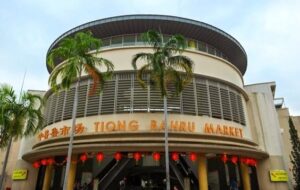
Everyone goes to Haji Lane. Almost nobody who doesn’t live in Singapore knows about Tiong Bahru — and that’s what makes it special. This is Singapore’s oldest HDB housing estate, built in the 1930s by the Singapore Improvement Trust in a distinctive art deco style. The curved white buildings with their rounded balconies and streamlined facades are unlike anything else in Southeast Asia, and they’re now home to independent bookshops, specialty coffee roasters, Japanese ramen counters, and the occasional Michelin-starred zi char restaurant.
BooksActually on Yong Siak Street is a tiny independent bookshop stocking Singapore literature, regional fiction, and rare titles — the kind of place you can spend two hours in and leave with six books. Forty Hands coffee on Yong Siak has been one of the best cafés in Singapore for a decade. Tiong Bahru Bakery — started by the same team behind Gontran Cherrier in Paris — makes the best croissants I’ve had outside France.
The wet market and hawker centre (Tiong Bahru Market, Level 1 and 2) is a neighborhood institution. Lor Mee at Stall 10 — thick yellow noodles in a dark, gelatinous gravy with braised pork and half a hard-boiled egg — is a SGD 4 meal that I still think about.
Getting there: Tiong Bahru MRT (East–West Line). 10-minute walk into the estate.
Insider tip: Come on Saturday morning. The market is at its most alive, and the queues at the bakery are long but worth it.
Joo Chiat & Katong — Peranakan Singapore at Full Volume

Joo Chiat Road and East Coast Road in the Katong neighborhood contain some of the most beautiful Peranakan shophouse architecture in Singapore — pastel facades with intricate plasterwork, tiles hand-painted in blues and greens, carved wooden screens over doorways. These are the homes of the Peranakan people (Straits Chinese descendants), and the aesthetic they created is unlike anything else in Asia.
Walk the length of Joo Chiat Road (about 2 km) and turn onto the side streets. You’ll find local tailor shops that have been operating since the 1960s, Peranakan restaurants serving nyonya laksa that is the benchmark by which all other laksa is measured, antique shops with Peranakan porcelain, and the occasional resident sitting on their front step watching the street with complete equanimity.
328 Katong Laksa is the famous stop — and deservedly so. The laksa here is served with coconut milk broth thick enough to stand a spoon in, prawns so fresh they snap, and laksa leaf that perfumes the whole bowl. SGD 6–8. Arrive before noon or after 2 PM.
Getting there: MRT to Paya Lebar (East–West Line), 10-minute walk south. Or Bus 16 from Orchard Road directly to East Coast Road.
Sungei Buloh Wetland Reserve — A Birder’s Hidden Paradise

Most visitors to Singapore don’t know this exists. Sungei Buloh is a 202-hectare wetland reserve on Singapore’s northwestern coast, designated an ASEAN Heritage Park, and home to migratory birds from Siberia, China, and Japan during the October–March season. Herons, egrets, sandpipers, kingfishers, and mudskippers inhabit the same tidal flats. Estuarine crocodiles are present and occasionally visible from the observation hides.
This is not a zoo. This is a functioning wetland ecosystem that you walk through on raised boardwalks and observation platforms, with binoculars and patience as your main tools. Entry is SGD 1 (₹60). It is, on a per-rupee basis, the greatest value experience in Singapore.
Getting there: MRT to Kranji (North–South Line), then Bus 925 to Sungei Buloh. Allow 90 minutes to 3 hours depending on your interest level.
Honest warning: Bring mosquito repellent. Serious. The wetland is extraordinary but the mosquitoes don’t care about your Instagram photos.
Labrador Nature Reserve & Secret Tunnels — History Underground

Labrador Nature Reserve on the southern coast has something almost no one knows about: WWii-era British military tunnels cut directly into the cliff face, open to the public on guided tours. The tunnels were built to store ammunition and provide a command post during the Japanese occupation and were sealed after the war, only reopening for visitors in the early 2000s.
Beyond the tunnels, the reserve itself is a forested coastal trail above the Straits of Malacca — completely free to walk, remarkably peaceful, with the Singapore container port glittering in the distance across the water. The contrast of dense jungle, colonial military ruins, and one of the world’s busiest shipping lanes visible from the same hilltop is distinctly surreal.
Getting there: MRT to Labrador Park (Circle Line). 15-minute walk into the reserve.
Gillman Barracks — Contemporary Art in a Former Military Camp

Nobody on a standard Singapore tourist itinerary visits Gillman Barracks. That’s why I’m including it here. This is a cluster of 1930s British Army barracks buildings that have been converted into contemporary art galleries — 12 of them, from Singapore, Seoul, New York, and Berlin — set in a forested compound in the Alexandra area. Entry to all galleries is free. The quality of work shown here is international gallery standard.
The compound itself is beautiful — colonial white buildings under massive angsana trees, with the quiet of a place that isn’t trying to be fashionable. The Naked Finn restaurant on the grounds is excellent for a seafood lunch if budget allows (mid-range, SGD 40–60 per person).
Getting there: MRT to Labrador Park (Circle Line), 12-minute walk.
The Southern Ridges — 10 km of Forested Hilltop Walking

The Southern Ridges is a 10-km trail connecting four parks — HortPark, Kent Ridge Park, Telok Blangah Hill Park, and Mount Faber Park — along a forested hilltop spine above the southern coast. The Henderson Waves bridge, a sinuous wooden pedestrian bridge 36 meters above the forest floor, is the architectural centrepiece and genuinely one of the most beautiful pieces of public infrastructure I’ve seen anywhere in the world.
Walk the full route in the early morning — the forest is alive with long-tailed macaques, horn-bills, and the particular deep green light that comes through equatorial jungle at 7 AM. End at Mount Faber for the cable car view over Sentosa and the sea.
Getting there: MRT to HarbourFront (Circle/North-East Line), walk north into HortPark for the western start. Or start at Buona Vista MRT for the Kent Ridge Park entry.
Honest warning: Do not attempt this in the midday heat. It is a real walk with real elevation changes. Start at 7 AM and finish by 10 AM before the humidity becomes punishing.
7. Complete Singapore Packing List 2026

This is the packing list built from actual Singapore trips — not a generic tropical checklist. Every item here is either essential or significantly improves your experience.
Clothing — The Heat Reality
Singapore sits one degree from the equator. It is hot and humid every single day, year-round. Pack accordingly.
What to bring:
- 4–5 lightweight, loose-fitting cotton or linen shirts. Avoid synthetics — they hold sweat and smell fast in this climate.
- 2–3 pairs of lightweight trousers or chinos. Shorts are fine for most things, but you’ll need covered knees and shoulders for mosque and temple visits (Kampong Glam’s Sultan Mosque and Hindu temples in Little India both require modest dress).
- 1 pair of long, lightweight linen pants — doubles as temple attire and evening wear.
- 1 light rain jacket or packable umbrella. Singapore has sudden afternoon thunderstorms, particularly during monsoon months. A compact umbrella (not a poncho) is the more practical choice.
- A light cardigan or long-sleeved layer. The MRT, malls, and most restaurants are aggressively air-conditioned — often colder than a Delhi winter. You will need a layer indoors even when it’s 32°C outside.
- 1 pair of comfortable walking shoes with good arch support. You will walk 15,000–25,000 steps a day if you’re exploring properly. Do not bring new shoes on this trip.
- 1 pair of sandals or flip-flops for beaches, Sentosa, and evenings.
- Swimwear if you’re visiting Sentosa beaches or the hotel pool.
- Modest scarf or dupatta — useful for temple visits and doubling as a layer in cold indoor spaces.
What NOT to bring:
- Heavy jeans. You will wear them once and regret packing them.
- Formal suits or heavy formal wear unless you have a specific business reason.
- Multiple pairs of shoes. Two pairs (walking shoes + sandals) covers everything.
Toiletries & Health
- Sunscreen SPF 50+ — Non-negotiable. Singapore sun is intense year-round. Bring from India; branded sunscreen is expensive in Singapore.
- Mosquito repellent — Essential for Pulau Ubin, Sungei Buloh, Southern Ridges, and Labrador. DEET-based works best. Available in Singapore but cheaper from home.
- Sweat-proof deodorant — Pack double what you think you need.
- Hand sanitizer — Hawker centres occasionally have limited handwashing facilities.
- Electrolyte sachets — Dehydration is real in this heat, especially if you’re doing the Southern Ridges or Pulau Ubin cycling. ORS sachets or Electral powder from India is cheaper and more effective than anything sold at Changi.
- Personal medication — Basic pharmacy (antihistamine, paracetamol, antacid) and any prescription medication. Pharmacies in Singapore (Guardian, Watsons, Unity) are comprehensive but pricier than India.
- Small quick-dry towel — Useful for beach days and sweaty hikes.
Electronics & Gadgets

- Travel adapter: Singapore uses Type G sockets (same as UK — three rectangular pins). If you’re Indian (Type C or Type D plugs), you need a converter. Buy a universal adapter before you leave — ₹300–500 on Amazon India. Singapore sells them but at 3x the price.
- Power bank (10,000–20,000 mAh): You’ll use GPS heavily. Cameras, navigation, translation, and messaging drain phones fast. A good power bank is essential, especially for island days when there are no charging points.
- Lightweight camera or phone with a good camera: Singapore is visually stunning — especially at night in Marina Bay and during early morning golden hour at Tiong Bahru. If you have a mirrorless camera, bring it.
- Earphones or earbuds: Long MRT rides, airport wait times.
- Waterproof phone pouch or dry bag: Useful for beach days and bumboat rides to Pulau Ubin.
Documents & Money
- Passport with at least 6 months validity beyond your travel dates.
- Singapore visa printout — Have both digital and printed versions.
- Travel insurance documentation — Accessible offline.
- Niyo Global or Scapia credit card — Zero forex markup on international card payments. Load before travel. This single card can save you ₹1,500–₹3,000 in currency conversion fees across a 5-day trip.
- SGD 100–150 in cash — For hawker centres and small stalls that are card-only for amounts over SGD 5. Not all stalls have card readers.
- EZ-Link card — Buy at Changi on arrival, not in advance. Keep it throughout your trip.
Bags
- Lightweight daypack (15–20L): Essential for day trips to Pulau Ubin and Southern Ridges. Keep it empty when flying; fill it with water, snacks, and sunscreen for day use.
- Packing cubes: Singapore’s humidity means clothes can get musty in a bag if jumbled together. Packing cubes keep things organized and air-circulating.
- Main carry-on or cabin bag: Given Singapore’s short flight times from India, most budget-conscious travelers can manage 4–5 days with carry-on only, saving SGD 30–50 (₹1,800–₹3,000) in checked baggage fees on budget airlines.
Useful Apps to Download Before Flying
- Google Maps — Offline Singapore map downloaded before landing
- Grab — Registered and payment method added before arrival
- Klook — Attraction tickets pre-booked at 15–25% discount
- Airalo — eSIM data activated before landing
- MyTransport.SG — Real-time Singapore bus timings
- XE Currency — SGD to INR converter for quick mental math
8. Practical Travel Tips for Hidden Singapore
Go early for hidden spots. Pulau Ubin before 8 AM, Southern Ridges at 7 AM, Tiong Bahru market at 7:30 AM — these are entirely different experiences from their midday versions. The light is better, the crowds are non-existent, and the heat is manageable.
Learn a few Singlish phrases. “Can or not?” (Is that possible?), “Lah” (sentence-ending emphasis), “Shiok” (delicious/excellent). Using these with locals — especially at hawker centres — is received warmly and often results in better recommendations, extra portions, and general goodwill.
Card payments at hawker centres: Most hawker centres now have SGQR payment terminals. Paying by card via a zero-forex card like Niyo Global means you pay exactly the SGD price with no conversion markup. Much better than converting rupees to SGD at a money changer.
SIM/Data: Airalo eSIM (1GB/day, 7 days, approximately ₹700) is the cheapest and most convenient option. Alternatively, Singtel Tourist SIM at Changi Airport — SGD 15 for 100GB over 7 days (₹900) — for those who prefer a physical SIM.
Safety: Singapore is one of the safest cities in the world. Solo female travelers report feeling completely safe at 2 AM walking in most neighborhoods. Standard common sense applies but active threats are minimal.
Hidden gem timing: The Southern Ridges, Sungei Buloh, and Pulau Ubin are best visited October to March when temperatures are marginally cooler and migratory birds are present at the wetlands.
For a detailed breakdown of the full Singapore trip budget, the Singapore under ₹50,000 budget guide covers every expense category in detail. And if you want the complete 6-day mainstream itinerary to pair with the hidden gems in this article, the Singapore 6-day itinerary guide gives you the full picture.
9. Best Time To Visit for Fewer Crowds
October–February (Best for Hidden Gem Exploration) Slightly cooler temperatures (relatively — still 26–30°C), migratory birds at Sungei Buloh at their peak (October–March), and lower tourist numbers at most sites. The northeast monsoon brings heavier rain in December and January — bring the packable umbrella. Chinese New Year (January or February) transforms Chinatown beautifully but adds crowds.
March–May (Second Best Window) Transitional months, less rain, comfortable humidity. Pulau Ubin is magnificent in April — the foliage is at its greenest. Hotel prices dip slightly from the peak December window.
June–August (Acceptable) Drier, hotter. School holidays bring more domestic crowds to Sentosa and mainstream attractions. Hidden spots like Labrador Reserve and Gillman Barracks remain uncrowded regardless of season.
December (Avoid for Budget, Magnificent for Atmosphere) Christmas lights on Orchard Road are spectacular. But hotel prices double, flights fill up, and the tourist areas are packed. If you go in December, book everything 3–4 months ahead and budget 40% more than the figures in this guide.
10. 5-Day Hidden Singapore Itinerary

Day 1 — Tiong Bahru & Tanjong Pagar 7:30 AM at Tiong Bahru Market (Lor Mee breakfast). Walk the art deco estate streets. BooksActually for an hour. Lunch at Tiong Bahru Bakery. Afternoon: Tanjong Pagar neighbourhood — shophouses, antique dealers, the Pinnacle@Duxton rooftop sky bridge (SGD 6, views of the city from the 50th floor of a public housing block — genuinely spectacular). Evening: Dinner at a zi char restaurant on Tanjong Pagar Road. Daily spend: SGD 45–70 (₹2,700–₹4,200)
Day 2 — Joo Chiat, Katong & East Coast Morning: East Coast Road and Joo Chiat — Peranakan shophouse walk, 328 Katong Laksa for lunch. Afternoon: East Coast Park cycling (rent bikes SGD 8–15/hour) along the beachfront. Sunset at the park with a cold drink from the 7-Eleven. Evening: Return via Paya Lebar MRT. Daily spend: SGD 40–60 (₹2,400–₹3,600)
Day 3 — Pulau Ubin Full Day Early MRT to Tanah Merah, bus to Changi Point, bumboat to Pulau Ubin. Full day: bicycle rental, Chek Jawa Wetlands boardwalk, granite quarry lakes, lunch at Uncle Lim’s. Return bumboat before 5 PM. Evening: Dinner at Old Airport Road hawker centre. Daily spend: SGD 35–55 (₹2,100–₹3,300)
Day 4 — Southern Ridges & Gillman Barracks 7 AM start at HarbourFront MRT. Southern Ridges full trail (HortPark → Henderson Waves → Mount Faber). Finish by 10:30 AM before the heat. Shower and late breakfast. Afternoon: Gillman Barracks art galleries (free, 1–2 hours). Labrador Nature Reserve tunnels. Evening: Sunset at Labrador Park seafront. Daily spend: SGD 30–50 (₹1,800–₹3,000)
Day 5 — Sungei Buloh & Last Hawker Meal Morning: MRT to Kranji, bus to Sungei Buloh Wetland Reserve (SGD 1 entry). 2–3 hours birdwatching with binoculars (rent at the visitor centre if needed). Afternoon: Return to Chinatown for final hawker meal — char kway teow and ice kacang dessert. Jewel Changi Airport for the final hour before the flight. Daily spend: SGD 25–40 (₹1,500–₹2,400)
11. Budget Breakdown
| Expense Category | Budget | Mid-Range | Notes |
| Return Flights (from India) | ₹15,000–₹18,000 | ₹22,000–₹30,000 | Book 60–90 days ahead |
| Visa | ₹1,800 | ₹1,800 | Fixed, non-negotiable |
| Accommodation (4 nights) | ₹9,000–₹12,000 | ₹25,000–₹40,000 | Budget hostel vs boutique |
| Food (5 days hawker) | ₹5,500–₹7,000 | ₹12,000–₹18,000 | Hawker vs restaurant mix |
| Local Transport | ₹2,000–₹2,800 | ₹3,500–₹5,000 | MRT + bumboats + bus |
| Attractions & Entry | ₹2,500–₹4,000 | ₹5,000–₹8,000 | Selective paid experiences |
| Data eSIM | ₹700 | ₹700 | Airalo, 1GB/day |
| Packing Essentials (pre-trip) | ₹2,000–₹4,000 | ₹2,000–₹4,000 | Adapter, sunscreen, repellent |
| Miscellaneous | ₹1,500–₹3,000 | ₹3,000–₹5,000 | Coffee, souvenirs, extras |
| Total | ₹40,000–₹52,600 | ₹75,000–₹1,10,000 |
Where to save: Pack carry-on only (saves SGD 30–50 in baggage fees), eat exclusively at hawker centres, use MRT and buses, buy sunscreen and repellent in India before flying.
Where to splurge: One good meal at a Tiong Bahru restaurant (SGD 30–40 per person), binoculars rental at Sungei Buloh if you’re serious about birdwatching, and the Henderson Waves walk at golden hour.
12. Final Honest Verdict
The hidden gems version of Singapore impressed me far more than the famous version. Pulau Ubin was the most unexpected nature experience I had anywhere in Southeast Asia in 2026 — not because it’s the most spectacular, but because of how surreal it is to find that level of quiet and wildness 15 minutes by boat from one of Asia’s most modern cities. The Southern Ridges at 7 AM is similarly disorienting in the best way.
The honest drawback: Singapore’s hidden gems require early mornings, physical effort, and some tolerance for heat and insects. Pulau Ubin and Southern Ridges are not strollable in flip-flops at noon. If you’re not willing to set an early alarm and pack the right shoes, some of these experiences will be miserable rather than magical.
On the packing side: the Type G socket adapter is the most commonly forgotten item by Indian travelers and the one that causes the most first-evening panic. Buy it before you leave.
Perfect for: Curious travelers who’ve already done the mainstream Singapore circuit and want the next layer. Nature lovers who don’t realize Singapore has remarkable biodiversity. Solo travelers and couples. Anyone who wants a trip that ends with genuinely interesting stories rather than photos of the same spots everyone else has.
Who might struggle: Anyone unwilling to walk or hike in heat. Travelers expecting only air-conditioned, sanitized experiences. Anyone who left their adapter at home.
The Singapore nobody posts about is the one worth finding. Pack right, start early, and go find it.