

Table of Contents
- The Meal That Made Me Understand Singapore
- Why Singapore Food Culture Is Unlike Anywhere Else
- How To Get To Singapore
- Getting Around Singapore’s Food Neighborhoods
- Best Areas to Stay for Food Lovers
- Must-Try Dishes at Singapore Hawker Centres
- Best Hawker Centres to Visit
- Practical Food Travel Tips
- Best Time To Visit for Food Festivals & Events
- 5-Day Singapore Food Itinerary
- Food Budget Breakdown
- Final Honest Verdict
- SEO Tags
- Image Placement Guide & All Image Links
- Pinterest Pin Strategy
1. The Meal That Made Me Understand Singapore
It was 8 AM on a Tuesday, and I was eating the best plate of food I’d had in months. Not at a restaurant with a Michelin star, not at some rooftop with a skyline view — I was sitting on a plastic stool at a formica table under fluorescent lights in a hawker centre in Chinatown, with a SGD 5 plate of Hainanese chicken rice in front of me and approximately zero regrets about anything.
The chicken was poached to a silk so impossibly tender it barely needed chewing. The rice — cooked in chicken stock and ginger and then pressed into a mold — was fragrant in a way that rice has no business being. The chili sauce was bright and sharp. The dark soy added depth. I ate the whole thing in eight minutes, sat quietly for another five, and then ordered another plate.
That morning changed how I think about food. Not because it was the most technically sophisticated dish I’d ever eaten, but because of what it represented: a city of four million people from dozens of ethnic backgrounds, all converging on the same humble stall, eating the same extraordinary plate, paying five dollars, and calling it breakfast.
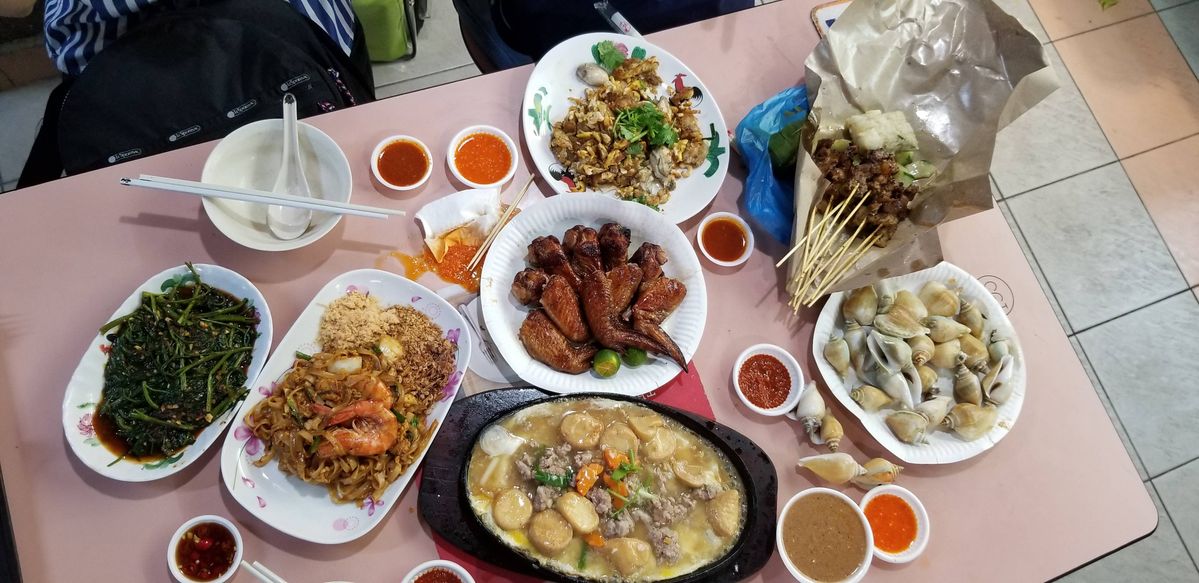
Singapore’s food culture is UNESCO-listed for a reason. This Singapore food guide 2026 is built on three visits, 47 hawker stalls, and an honest attempt to eat everything the city considers essential. Let’s eat.
2. Why Singapore Food Culture Is Unlike Anywhere Else
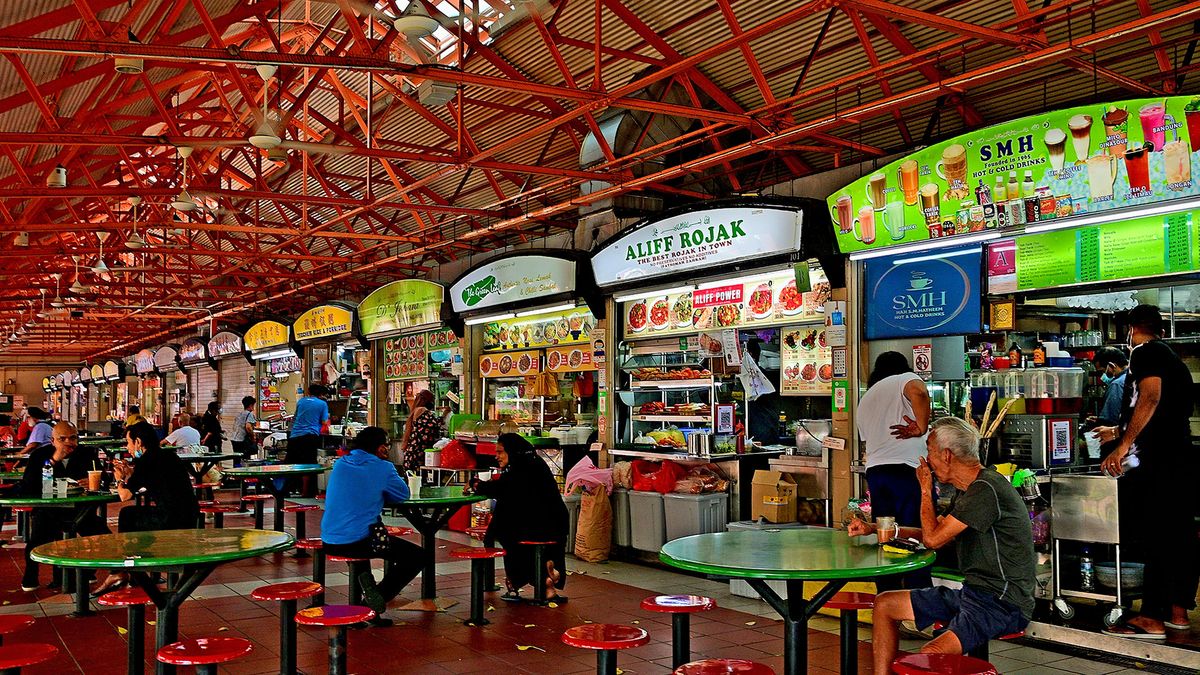
Singapore is a city of Chinese, Malay, Indian, Peranakan, and Eurasian communities who have been cooking side by side — and occasionally cooking each other’s food, borrowing spices, techniques, and ingredients across communal boundaries — for over 200 years. The result is a culinary culture that is simultaneously diverse and cohesive: you can eat Hokkien prawn mee, murtabak, banana leaf rice, and roti prata within a single hawker centre, and every single one will be authentic, excellent, and cooked by someone who has been making that one dish for decades.
The hawker centre is the institution that makes all of this possible. These open-air, government-built food complexes house dozens of individual stalls, each typically specializing in one or two dishes perfected over years. Prices are fixed and low. The food is cooked to order. The tables are shared. There is no dress code, no reservation, no service charge. It is one of the world’s great democratic dining experiences, and Singapore protects it fiercely enough that UNESCO added hawker culture to its list of Intangible Cultural Heritage in 2020.
For Indian travelers specifically, Singapore’s food scene is a particular gift. There is outstanding vegetarian food — South Indian, North Indian, and Chinese Buddhist vegetarian — available at almost every major hawker centre. You will not struggle here the way Indian vegetarians sometimes struggle in East Asia.
3. How To Get To Singapore
Changi Airport connects Singapore to every major Indian city with direct flights. The airport itself — with its Jewel complex housing a 40-meter indoor waterfall surrounded by terraced forest — is worth building arrival time around.
Budget flights from India:
- Scoot: Chennai, Bengaluru, Delhi — one-way from ₹7,000–₹10,000 booked 60–90 days ahead
- IndiGo: Delhi, Mumbai, Hyderabad — one-way from ₹8,000 on good windows
- AirAsia (via KL): Often cheapest from South Indian cities — ₹6,000–₹8,000 one way
Return flight costs from India: ₹14,000–₹22,000 depending on origin city and booking lead time. Flight duration: 4–6 hours depending on city.
Visa: SGD 30 (₹1,800), applied online through ICA Singapore, processed in 3–5 working days.
If you’re planning a Singapore and Malaysia combined trip — which makes geographical and culinary sense, given Malaysia’s own extraordinary food culture — the Singapore–Malaysia Escape 5N6D by Tripyverse covers both countries as a structured package.
4. Getting Around Singapore’s Food Neighborhoods
Singapore’s food neighborhoods are spread across the city but connected by an excellent MRT network. The key food zones and how to reach them:
Chinatown (Maxwell Food Centre, Chinatown Complex): MRT to Chinatown (North East / Downtown Line). 2-minute walk to Maxwell, 5-minute walk to the Chinatown Complex wet market and food centre.
Little India (Tekka Centre, Banana Leaf Apollo): MRT to Little India (North East / Downtown Line). Both venues within 10-minute walk.
Geylang / Old Airport Road: MRT to Aljunied or Dakota (East–West Line). 10–15 minute walk to Old Airport Road Food Centre. Geylang is a 5-minute walk from Aljunied.
East Coast / Katong (328 Katong Laksa, Joo Chiat): MRT to Paya Lebar (East–West Line), 10-minute walk south. Or Bus 16 directly from Orchard Road.
Tiong Bahru (Tiong Bahru Market): MRT to Tiong Bahru (East–West Line). 10-minute walk into the estate.
Newton Food Centre: MRT to Newton (North–South / Downtown Line). Directly across the road from the station.
EZ-Link Card: Buy at Changi Airport on arrival. SGD 12 total, SGD 7 stored credit. Works on all MRT and buses. Essential tool for food neighborhood hopping. A full day of food-focused transport typically costs SGD 6–10 (₹360–₹600).
Walking: Many hawker centres cluster within the same neighborhoods, making it possible to hit 3–4 stalls in a single morning without transport. Chinatown alone has Maxwell Food Centre, Chinatown Complex, and multiple hawker lanes all within 10 minutes on foot.
5. Best Areas to Stay for Food Lovers
The best accommodation for a food-focused trip is in or near Chinatown — central, affordable, and within walking distance of the highest density of exceptional hawker stalls in the city.
Budget (SGD 40–80 / ₹2,400–₹4,800 per night)
- Footprints Hostel, Chinatown — Clean, well-run, steps from Maxwell Food Centre. Staff know the local stalls intimately and will send you to the right ones.
- Wink Hostel, Chinatown — Capsule-style, excellent cleanliness, walking distance to Chinatown Complex hawker centre and Tanjong Pagar food street.
Mid-Range (SGD 130–220 / ₹7,800–₹13,200 per night)
- Hotel Mono, Chinatown — Striking minimalist design, excellent MRT access, within 5 minutes’ walk of Maxwell and the Chinatown wet market. The best mid-range option for a food trip.
- Porcelain Hotel, Chinatown — Heritage shophouse character, rooftop terrace, excellent positioning for both Chinatown and the Tanjong Pagar hawker strip.
- Venue Hotel, Joo Chiat / Katong — Staying in Katong means waking up in one of Singapore’s great food neighborhoods — 328 Katong Laksa is a 5-minute walk, and the East Coast Lagoon Food Village is 15 minutes.
Luxury (SGD 350+ / ₹21,000+)
- The Warehouse Hotel, Robertson Quay — A converted 19th-century warehouse on the Singapore River. Exceptional bar, beautiful design, and walking distance to Clarke Quay’s riverfront restaurants and a short Grab from every major hawker centre.
- Marina Bay Sands — For those who want the famous experience. The hotel’s own restaurants include world-class options (Waku Ghin, db Bistro) but you’ll want to escape for hawker meals too — and the MRT to Chinatown from Bayfront is 3 stops.
6. Must-Try Dishes at Singapore Hawker Centres
Hainanese Chicken Rice — The National Dish, No Argument
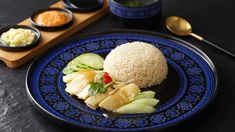
This is Singapore’s most famous dish, its most argued-about dish, and — when done correctly — its most perfect dish. It’s deceptively simple: poached chicken, fragrant rice cooked in chicken stock with ginger and pandan, three sauces (chili, ginger, dark soy), and a bowl of clear chicken broth on the side.
The magic is in the details. The chicken must be poached at a temperature just below boiling — never bubbling — so the flesh stays tender and the skin sets to a pale golden jelly. The rice must be fried briefly in rendered chicken fat before the stock is added. The chili sauce is fresh, not bottled. The ginger paste is pounded, not blended. Every step matters, and the best hawker stall cooks have been doing exactly these steps the same way for 30 or 40 years.
Where to eat it: Tian Tian Hainanese Chicken Rice, Maxwell Food Centre, Chinatown (Stall 10 and 11). Arrive before 11:30 AM or after 2 PM to avoid the longest queues. SGD 5–6 per plate. There’s also Boon Tong Kee on Balestier Road for a restaurant version (SGD 12–18) if you want a quieter setting.
Honest warning: Tian Tian is closed on Mondays. Do not make the mistake I made on day one.
Laksa — The Bowl That Singapore Argues About Most
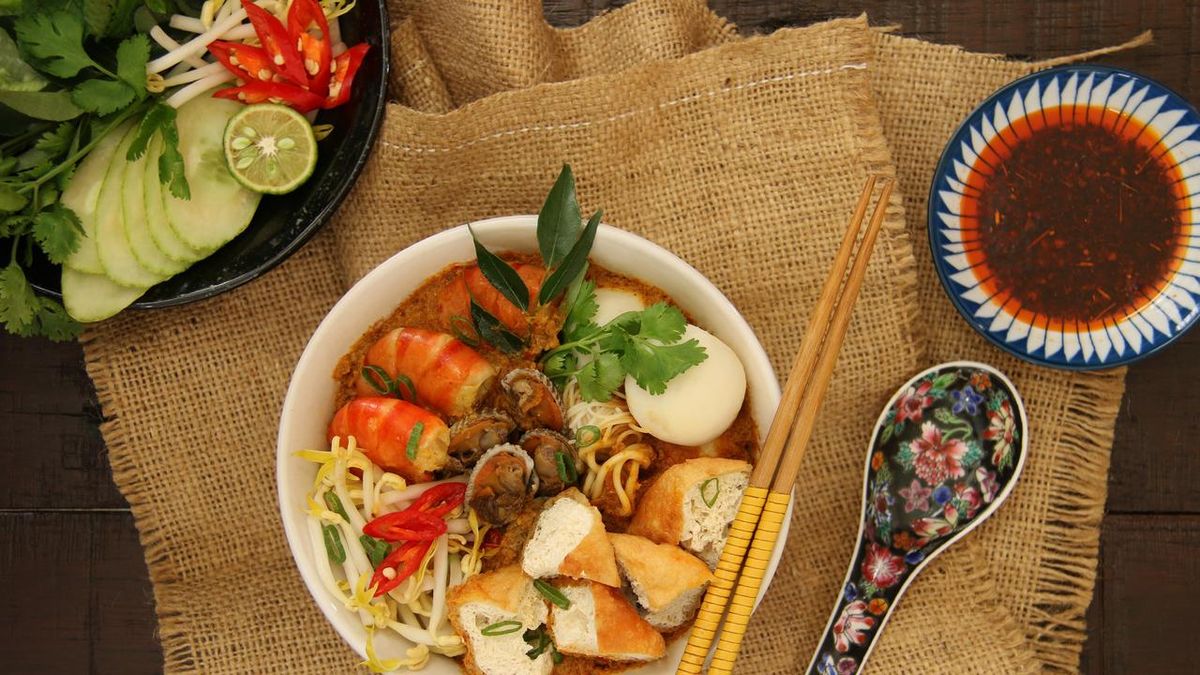
Every Singaporean has an opinion about which laksa is best. The two main schools are Katong Laksa (a richer, creamier coconut milk broth, noodles cut short and eaten with a spoon) and Katong-style versus the spicier, more complex versions found in other hawker centres. Both are outstanding. The argument is the point.
Katong Laksa at its best has a broth so thick with coconut milk that it coats the spoon. It’s deeply aromatic — lemongrass, galangal, turmeric, candlenut, dried shrimp — and the fresh cockles, fish cake, and prawns inside add layers of brininess to the richness. The laksa leaf (Vietnamese coriander) floating on top gives it a particular herbaceous edge that no other noodle dish in Southeast Asia has.
Where to eat it: 328 Katong Laksa, 51 East Coast Road, Katong. SGD 6–8. The version here is the benchmark. Arrive before noon. Also try the laksa at Sungei Road Laksa (Jalan Berseh) for a more traditional, lighter version cooked over a charcoal fire — rarer to find and worth the MRT ride.
Honest warning: Laksa is not typically vegetarian. The broth almost always contains dried shrimp or prawn paste. Ask explicitly if you need a vegetarian version — some stalls can accommodate but most can’t.
Char Kway Teow — Smoke, Wok, and Flat Noodles
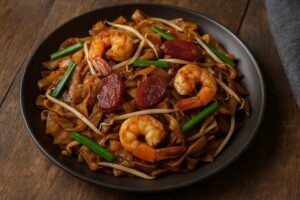
Char Kway Teow is the dish that taught me what wok hei means. Wok hei — literally “breath of the wok” — is the smoky, slightly charred flavor that comes from cooking over extremely high heat in a well-seasoned carbon steel wok. You can taste it instantly. You cannot replicate it on a home stove. It’s one of those flavors that exists only in specific places, cooked by specific people, using specific equipment — which is exactly why eating it at a hawker centre in Singapore is an irreplaceable experience.
The dish is flat rice noodles (kway teow) stir-fried at high heat with egg, bean sprouts, Chinese sausage (lap cheong), fishcake, and dark soy sauce. The best versions have prawns, fresh cockles, and that char that makes your mouth understand why people queue for 30 minutes for a SGD 5 plate of noodles.
Where to eat it: Hill Street Char Kway Teow (Bedok South Food Centre or Geylang) is the most discussed stall in Singapore. Old Airport Road Food Centre also has multiple excellent options. Expect a queue. Order the larger size — SGD 5–6 — it’s worth it.
Vegetarian note: Traditional char kway teow contains eggs, which most Indian vegetarians can accommodate, but also lard and seafood. Ask the stall for a non-seafood version if needed.
Kaya Toast & Soft-Boiled Eggs — Singapore’s Sacred Breakfast
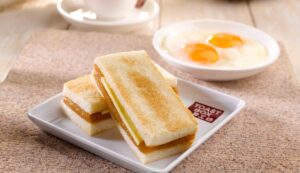
This is the breakfast ritual that has been unchanged in Singapore since the early 20th century. Charcoal-grilled bread, preferably the local Hainanese white loaf variety, toasted until it has dark spots and a slight crunch. Spread with kaya — a coconut jam made from coconut milk, eggs, sugar, and pandan — and a thick slab of cold salted butter. Served alongside two soft-boiled eggs in a small bowl, seasoned with white pepper and a splash of dark soy sauce. Accompanied by kopi — Singapore’s robusta coffee, brewed through a cloth filter and served with condensed milk.
The kaya is what makes this breakfast unique. It’s sweet, fragrant with pandan (a tropical leaf with a flavor somewhere between vanilla and fresh grass), and slightly eggy. The cold butter melting into the hot toast, the bitter-sweet coffee, the silky eggs — it’s a perfectly calibrated morning meal that costs SGD 4–6 total and has made mornings better for four generations of Singaporeans.
Where to eat it: Ya Kun Kaya Toast (multiple locations across Singapore, most convenient at Raffles Place MRT). Tong Ah Eating House on Keong Saik Road in Tanjong Pagar for a more atmospheric setting. Chin Mee Chin Confectionery in Katong for the most traditional, old-school version — though check current operating days as they’ve had irregular hours.
Chili Crab — Singapore’s Most Famous Splurge
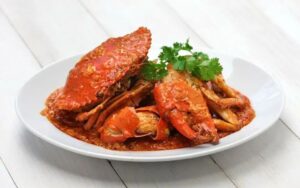
Chili crab is not a hawker centre dish — let’s be clear about that. It’s a restaurant dish, it’s expensive, and it requires eating with your hands and considerable enthusiasm. But it is Singapore’s most internationally famous food, it is genuinely extraordinary, and any Singapore food guide that doesn’t include it is incomplete.
The dish is a large mud crab — usually 800g to 1.5 kg — cooked in a semi-thick gravy made from tomato, egg, garlic, ginger, and a chili base that is much more savory and umami-forward than fiery. The egg is stirred into the sauce at the end, creating ribbons of cooked egg throughout the gravy. You eat the crab with your hands, cracking the shells, sucking the meat from the legs, and mopping up the gravy with man tou — deep-fried or steamed bao buns that exist purely as vehicles for the sauce.
Where to eat it: Jumbo Seafood at Clarke Quay or East Coast Seafood Centre — the most reliable quality at a tourist-accessible location. Long Beach Seafood at UDMC is another excellent option. Budget SGD 60–100 per crab (plus man tou at SGD 3–4 each). This is a treat meal, not a daily spend — but do it once.
Insider tip: Book a table in advance for weekend dinner. Walk-in waits can be 45–60 minutes at Jumbo. Lunch on weekdays is easier and often 10–15% cheaper.
Roti Prata — The Indian-Singapore Breakfast You Didn’t Know You Needed
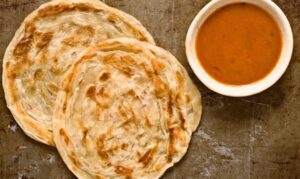
Roti prata is Indian in origin — brought by Tamil Muslim immigrants in the 19th century — and has been so thoroughly absorbed into Singapore’s food culture that it is now considered a local dish without qualification. The dough is stretched, folded, and then cooked on a flat iron griddle until it’s crispy on the outside and layered and flaky within, served with a thin fish or mutton curry for dipping.
The basic plain prata costs SGD 1–1.50. Egg prata is SGD 1.80–2.50. Cheese, mushroom, and chocolate variations exist at modern prata shops if you want to experiment. The classic combination of coin prata (small discs, four to a serve) with a bowl of fish curry for dipping is a perfectly balanced breakfast that costs SGD 4 and fills you until lunch.
Where to eat it: Mr and Mrs Mahota at Punggol or Springleaf Prata Place at Upper Thomson for the best variety. Tekka Centre in Little India for the most atmospheric setting and the cheapest prices (SGD 1–1.50 per prata). The prata at Casuarina Curry on Casuarina Road is an institution — open since 1973, queue inevitable, worth it.
Vegetarian note: Plain and egg prata are vegetarian-friendly. Ask about the curry — vegetable curry options are usually available at most prata shops.
Nasi Lemak — The Malay Comfort Dish Worth Waking Up Early For
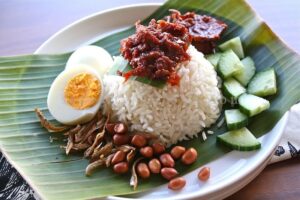
Nasi Lemak is coconut milk rice cooked with pandan and served on a banana leaf with sambal (a spicy, slightly sweet chili paste), fried anchovies (ikan bilis), roasted peanuts, half a hard-boiled egg, and your choice of protein — fried chicken, otah (grilled fish paste cake), or curry. The rice is the core — fragrant, slightly rich, with a coconut sweetness that pairs perfectly with the sharp sambal and salty anchovies.
It’s the Malay equivalent of the Indian thali: a balanced meal with every flavor profile represented — sweet, spicy, salty, savory, and rich — in a single serving. The banana leaf gives it a faint vegetal aroma that lifts the whole plate.
Where to eat it: Selera Rasa Nasi Lemak at Adam Road Food Centre — consistently cited as the best in Singapore. Long queue, worth it. SGD 4–7 depending on protein choice. Also available at most Malay-run hawker stalls across the city, including Tekka Centre and Geylang Serai Market.
Ice Kacang & Chendol — Sweet Endings at Hawker Centres
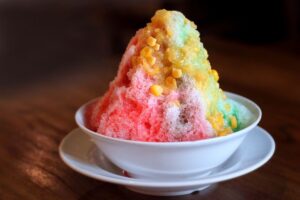
Singapore’s hawker desserts are as serious as its savory food. Ice kacang — shaved ice heaped over red beans, grass jelly, attap seeds, and sweet corn, then drenched in rose syrup, palm sugar, and evaporated milk — is the most satisfying way to end a hawker meal on a hot afternoon. It’s lurid, it’s cold, it’s texturally chaotic in the best way.
Chendol is the more refined cousin — pandan-flavored green rice flour noodles, red beans, and coconut milk over shaved ice with a heavy pour of gula melaka (palm sugar syrup). The bitterness of the palm sugar against the sweetness of the coconut milk is an unexpectedly elegant flavor combination for something that costs SGD 2.50.
Where to eat it: Mei Heong Yuen Dessert in Chinatown for ice kacang. Old Amoy Chendol at Maxwell Food Centre for the definitive chendol. Penang Chendol stalls at Geylang for the slightly more complex, darker-syruped version.
Vegetarian Singapore — What Indian Travelers Need to Know
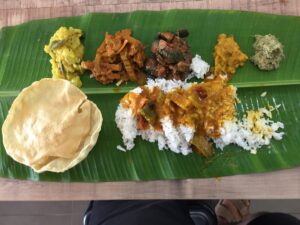
Indian vegetarians are significantly better served in Singapore than in most of Southeast Asia. The options are genuine and excellent — not afterthought substitutions.
Best vegetarian-specific options:
- Ananda Bhavan, Little India — Full South Indian vegetarian menu. Thali, dosas, idli, sambar. SGD 6–12 per meal. Multiple locations.
- Komala Vilas, Serangoon Road — An institution since 1947. Banana leaf thali SGD 8. Outstanding quality.
- Joie by Dozo, Orchard — Upscale vegetarian with a Singapore-meets-European menu. SGD 35–50 per person. For a special meal.
- Buddhist vegetarian stalls at most hawker centres — Look for the Chinese Buddhist vegetarian stalls marked with a yellow symbol. These are vegan-friendly, often excellent, and SGD 4–6 per plate.
- Indian Muslim (Mamak) stalls: Roti prata, murtabak, and biryani at many stalls can be prepared vegetarian on request.
For a broader picture of the food culture across this region, if you’re considering extending your trip, the Kerala travel guide covers another food destination that rewards Indian travelers deeply.
7. Practical Food Travel Tips
Cash for hawker centres: While most larger stalls now accept SGQR card payment, many older or smaller stalls are still cash-only, especially for amounts under SGD 5. Carry SGD 30–50 in small bills at all times for hawker eating.
Best zero-forex cards: Niyo Global or Scapia credit card for all non-cash payments. No markup on SGD transactions. Using a standard Indian debit card incurs 3–5% forex markup — adds up across a food trip.
Food timing matters: The best hawker stalls sell out. Tian Tian’s chicken rice is gone by 2:30 PM. Sungei Road Laksa finishes by lunchtime. Old Amoy Chendol closes early afternoon. Plan your food day the night before and arrive early at the dishes that matter most to you.
Asking for recommendations: Tell a hawker stall operator you’re visiting from India and ask what they recommend. Most will go slightly out of their way to explain their dish, offer a small extra portion, or point you to the right stall in their centre for something you’re looking for. Singapore hawker culture is not hustling — it’s genuinely hospitable.
Allergy communication: Shellfish and seafood stock appear in many Singapore dishes without being obvious — laksa broth, char kway teow gravy, and some rice dishes use shrimp paste as a base. If you have allergies, be specific: “No shrimp, no fish sauce, no seafood of any kind” is more useful than “I’m vegetarian” in a hawker context.
Data and navigation: Download Google Maps offline for Singapore before flying. Food locations are extremely well-reviewed and accurately pinned. Airalo eSIM (₹700 for 1GB/day over 7 days) keeps you connected for navigating between hawker centres without using hotel WiFi.
For the full packing and preparation guide before your Singapore trip — including what to bring for hot weather food exploration — the Singapore hidden gems and packing tips guide is essential reading. And for the complete day-by-day itinerary that incorporates both food and sightseeing, the Singapore 6-day itinerary guide covers every experience in full.
8. Best Time To Visit for Food Festivals & Events
January–February (Chinese New Year) Chinatown transforms into a lantern-lit, food-stall-dense festival zone. Special New Year foods — bak kwa (grilled pork jerky), pineapple tarts, love letters (crispy crepe rolls) — appear across the city. Hotel prices spike but the cultural atmosphere is unmatched.
March–May (Best Overall for Food Exploration) Comfortable weather, no major crowd peaks, all hawker centres operating normally. Singapore Food Festival sometimes falls in this window — check the annual schedule for special hawker events and chef collaborations.
July (Singapore Food Festival) Singapore’s annual food festival brings pop-up hawker experiences, special menus, heritage food trails, and cooking demonstrations. If you can plan your trip around this, the food scene becomes even richer than usual.
October–December (Deepavali & Christmas Season) Little India during Deepavali is extraordinary — the street lighting, the mithai shops selling sweets from every Indian state, the rangoli on the streets. A food-focused visit during this period rewards Indian travelers particularly well.
Months to approach carefully: December over Christmas sees hotel prices double. If budget is a concern, avoid the last two weeks of December entirely. All hawker centres remain open year-round regardless of season.
9. 5-Day Singapore Food Itinerary
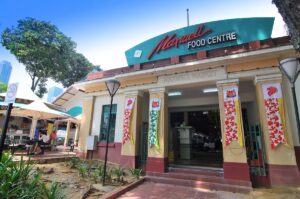
Day 1 — Chinatown Food Deep Dive 7:30 AM: Maxwell Food Centre — Tian Tian chicken rice (arrive early, queue opens at 10 AM but the crowds are manageable before 11:30). Morning walk through Chinatown wet market. Lunch: Chinatown Complex hawker centre Level 2 — explore and pick 2–3 stalls. Afternoon: Tanjong Pagar food street — Bao Today for modern baos. Evening: Lau Pa Sat for satay street — 10 sticks minimum, Tiger Beer if you drink. Daily food spend: SGD 25–40 (₹1,500–₹2,400)
Day 2 — Little India & Tekka Centre 7 AM: Tekka Centre — roti prata (SGD 1.50) and teh tarik breakfast. Mid-morning: Banana leaf lunch at Komala Vilas (SGD 8). Afternoon rest. Evening: Return to Little India for Deepavali street food if in season, or Ananda Bhavan for South Indian dinner. Mustafa Centre for Indian snacks to bring home. Daily food spend: SGD 20–35 (₹1,200–₹2,100)
Day 3 — Katong & East Coast Food Trail 9 AM: Chin Mee Chin Confectionery in Katong for kaya toast (arrive early, limited seating). 11 AM: 328 Katong Laksa for lunch. Afternoon: East Coast Lagoon Food Village — seafood, satay, and the best sea breeze setting of any hawker centre in Singapore. Evening: Otah grilled over charcoal at East Coast. Daily food spend: SGD 35–55 (₹2,100–₹3,300)
Day 4 — Tiong Bahru & Old Airport Road 7:30 AM: Tiong Bahru Market — Lor Mee breakfast. Coffee at Forty Hands. Afternoon: Old Airport Road Food Centre — char kway teow, carrot cake, and dessert (ice kacang at the dessert stall). Evening: Geylang for durian if you’re adventurous (SGD 15–30 per fruit, intensely polarizing), or Geylang Serai Market for Malay seafood. Daily food spend: SGD 30–50 (₹1,800–₹3,000)
Day 5 — Newton Food Centre & Chili Crab Farewell Breakfast at your hotel or nearby kopi stall — kopi and toast. Late morning: Newton Food Centre exploration (slightly touristy but excellent variety). Late afternoon: Final hawker exploration. Evening: Chili crab dinner at Jumbo Seafood, Clarke Quay — book in advance. Last Singapore meal done properly. Daily food spend: SGD 70–110 (₹4,200–₹6,600) — the chili crab bumps this day up significantly
10. Food Budget Breakdown
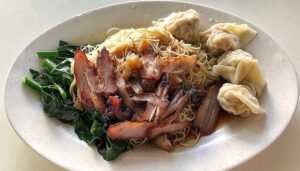
| Meal Category | Budget (Hawker Only) | Mid-Range (Mix) | Splurge (Restaurants) |
| Breakfast | SGD 3–5 (₹180–₹300) | SGD 8–15 (₹480–₹900) | SGD 20–35 (₹1,200–₹2,100) |
| Lunch | SGD 4–7 (₹240–₹420) | SGD 12–20 (₹720–₹1,200) | SGD 35–60 (₹2,100–₹3,600) |
| Dinner | SGD 5–8 (₹300–₹480) | SGD 20–40 (₹1,200–₹2,400) | SGD 60–150 (₹3,600–₹9,000) |
| Desserts & Drinks | SGD 2–5 (₹120–₹300) | SGD 5–10 (₹300–₹600) | SGD 15–30 (₹900–₹1,800) |
| Daily Food Total | SGD 14–25 (₹840–₹1,500) | SGD 45–85 (₹2,700–₹5,100) | SGD 130–275 (₹7,800–₹16,500) |
One-off splurge costs:
- Chili Crab dinner (Jumbo Seafood): SGD 80–120 per person (₹4,800–₹7,200)
- Omakase or Michelin restaurant: SGD 150–400 per person (₹9,000–₹24,000)
Where to save: Eat hawker for all three meals on non-splurge days. Order water — Singapore tap water is completely safe and free at most hawker centres if you ask. Share larger dishes between two people to try more variety for the same spend.
Where to splurge: The chili crab dinner is worth it once — book it, enjoy it, don’t shortchange it. Also worth splurging on the Katong Laksa vs Sungei Road Laksa taste comparison — SGD 12 total to understand why Singapore argues about this.
For the complete Singapore trip cost breakdown — including flights, accommodation, transport, and attractions alongside food — the Singapore under ₹50,000 budget guide gives the full financial picture.
11. Final Honest Verdict
What impressed me most about Singapore’s food scene is its consistency. The best chicken rice stall in Singapore has been making the same dish for 40 years. The best laksa stall has been making the same broth for 30. There is no menu innovation here, no quarterly specials, no fusion experimentation — just one dish, perfected over decades, served to an endless queue of people who know exactly what they’re coming for. That commitment to mastery is genuinely moving when you experience it in person.
The honest drawback: Singapore’s hawker culture is increasingly under pressure. The population of hawker stall cooks is aging, and younger Singaporeans are less willing to take on the 4 AM starts and 12-hour days. Several legendary stalls have closed in the last five years. The government runs hawker apprenticeship programs but succession remains a genuine concern. Some of the stalls I visited in 2024 have closed or changed hands since then — call ahead or check Google Maps reviews for recent activity on specific stalls before making a long journey.
The other honest note: queue culture at the best stalls is real. Tian Tian, 328 Katong Laksa, Casuarina Curry — these are 20–45 minute waits on busy days. If standing in queue frustrates you, either go very early or accept that you’ll need patience. The food at the end is worth it, but it’s worth knowing going in.
Perfect for: Indian travelers who love food above everything else, vegetarians (genuinely well-served here), couples on a food-focused trip, solo travelers who are comfortable eating at communal tables, anyone who believes the best meals happen at places with plastic stools and fluorescent lighting.
Who might struggle: Travelers who need restaurant-style service for every meal, those with severe shellfish or seafood allergies (common in many Singapore dishes as a base ingredient), and anyone who finds heat and humidity incompatible with appetite.
Go hungry. Stay curious. Eat at the hawker centres. Singapore’s food will outlast every skyline photo you take.