


Table of Contents
- Introduction — The View That Stopped Me Cold
- Where Is Shimla Located?
- How To Get To Shimla
- Getting Around Shimla
- Where To Stay in Shimla
- 10 Magical Places in Shimla
- Practical Travel Tips
- Best Time To Visit
- Suggested Itinerary — 4 Days
- Budget Breakdown
- Final Verdict
- SEO Tags
- Pinterest & Image Strategy
- 🌴 Introduction — The View That Stopped Me Cold {#intro}
I was walking back from Jakhu temple, slightly out of breath, dodging a monkey who had decided my water bottle was rightfully his, when I turned a corner on the pine-lined path and the entire Shimla ridge opened up in front of me. The town stacked itself down the hillside in layers — Victorian spires, red-roofed guesthouses, cedar forest, and below it all, the Sutlej valley dissolving into a blue haze that stretched all the way to what I was fairly sure were the Kinnaur peaks. I stood there for an embarrassingly long time.
Shimla gets a bad reputation among serious travellers. “Too crowded,” they say. “Too commercialised.” “The Mall Road is basically a shopping mall with altitude.” And they’re not entirely wrong. But they’re describing one layer of Shimla — the surface layer, the one you see from the tour bus window. Underneath it is something genuinely extraordinary: a town with more layers of history, more unexpected viewpoints, and more quietly atmospheric corners than almost any other hill station in North India.
Here are the ten places that proved it to me. Some are famous. Some aren’t. All of them are worth your time.
- 📍 Where Is Shimla Located? {#location}
Shimla sits at 2,205 metres in the Shivalik Hills of Himachal Pradesh, approximately 340 km north of Delhi and 116 km northeast of Chandigarh. It was the summer capital of British India from 1864 to 1939, which accounts for its disproportionate density of Gothic churches, colonial bungalows, and Tudor-style government buildings for a mountain town of its size. The surrounding district includes sub-destinations — Kufri, Chail, Narkanda, Mashobra — each worth a day trip in their own right and easy to reach from the town centre by cab.
- ✈️ How To Get To Shimla {#howtoget}
By Air: Shimla Airport at Jubbarhatti (22 km from town) is small and weather-dependent. Most travellers fly into Chandigarh (IXC), which has daily flights from Delhi, Mumbai, Bengaluru, and Hyderabad. From Chandigarh, a cab to Shimla costs ₹1,500–₹2,000 (2.5–3 hours). HRTC state buses run the same route for ₹200–₹250.
By Train: The Kalka-Shimla Railway, a UNESCO World Heritage line, is one of the finest rail journeys in India — 96 km of narrow-gauge track through 102 tunnels and over 800 bridges. The ride from Kalka takes 5–6 hours. Book the Shivalik Deluxe Express for the best experience (₹360 first class). From Delhi, take an overnight express to Kalka and board the toy train at dawn.
By Road: HRTC Volvo buses run overnight from Delhi ISBT to Shimla (₹700–₹1,100). Private cabs from Delhi cost ₹4,500–₹6,000. From Chandigarh by road, allow 3 hours on NH5.
Budget vs. Fast: Bus from Chandigarh is cheapest. Cab from Chandigarh is fastest. The toy train from Kalka is the most memorable — build your trip around it if you can.
- 🚗 Getting Around Shimla {#gettingaround}
Shimla’s town centre — Mall Road, the Ridge, and Scandal Point — is pedestrian-only. Vehicles park at Cart Road below and you walk up. This is charming in theory and occasionally exhausting in practice, especially with luggage.
- Walking: The primary mode within the core town. Budget 15–20 minutes from Cart Road to the Ridge. Steep stone staircases are part of the deal.
- Porters: Available at Cart Road — ₹100–₹200 per bag to carry luggage up to hotels.
- Taxis: Cart Road stand has fixed-rate cabs. Kufri return: ₹700–₹900. Chail return: ₹1,200–₹1,500. Narkanda return: ₹2,000–₹2,500.
- HRTC Local Buses: Run to Kufri (₹35), Chail (₹60), Naldehra (₹25), and other spots from the main bus stand near Victory Tunnel.
- Ola/Uber: Limited to lower Shimla. Unreliable for early departures.
Comfortable, broken-in walking shoes are your most important packing decision for Shimla. Everything else is secondary.
- 🏨 Where To Stay in Shimla {#wheretostay}
Budget (₹700–₹2,000/night): The lanes below the Ridge near Lakkar Bazaar and around the bus stand area have good-value guesthouses. Backpacker Panda Shimla (near Scandal Point) is the best hostel option — dorm beds from ₹600, private rooms from ₹1,800. Hotel Mayur on Cart Road is a clean, no-fuss fallback.
Mid-Range (₹2,500–₹6,000/night): Hotel Combermere on the Mall is a heritage property with creaky wooden floors, high ceilings, and the atmosphere of a different era entirely. Honeymoon Inn Shimla gives reliable value — solid hot water, decent views, helpful staff. For couples combining Shimla with other Himachal destinations, the Tripyverse Himachal Honeymoon package handles multi-destination logistics cleanly.
Luxury (₹8,000–₹25,000+/night): Wildflower Hall by Oberoi at Mashobra (13 km from Shimla) is the undisputed benchmark — cedar forest, outdoor heated pool, colonial grandeur, and Himalayan views from every window. Chapslee Estate in central Shimla is boutique luxury with only six rooms, an immaculate garden, and a family history going back to the Raj.
Best areas to stay: On or just below the Ridge for walking convenience. Avoid Cart Road hotels unless you enjoy climbing steep steps every time you return from dinner.
- 🌊 10 Magical Places to Visit in Shimla {#top10}
🏔️ 1. Jakhu Hill & Temple — Shimla’s Spiritual Summit

At 2,455 metres, Jakhu is the highest peak in central Shimla and the first place every serious visitor should go. The Hanuman temple at the summit is one of the oldest in Himachal, draped in red marigolds and brass bells, with a 33-metre Hanuman statue visible from across the town. But the real draw is what you see from the top — on clear mornings, the entire Shimla ridge unfurls below you, the town’s red rooftops stitched between pine trees, and the high Himalayan snowline sitting like a white crown on the northern horizon.
The 2.5-km trail from the Ridge takes 45–60 minutes. A ropeway operates from near Scandal Point (₹250–₹350 return) for those who’d rather skip the hike. Go before 8 AM — the sunrise light is extraordinary and the tourist crowd hasn’t arrived yet.
Insider tip: The monkeys here are legendary in their boldness. Remove glasses, caps, and anything dangling. Do not show food under any circumstances. Rangers are present but the monkeys have the home advantage.
🏛️ 2. The Ridge & Mall Road at Dawn — Shimla’s Living Postcard

Most people see the Ridge and Mall Road in the middle of the day, which is the wrong time entirely. Come at 6 AM. The pedestrian promenade is completely empty — just the sound of crows, the smell of pine, and the colonial buildings catching the first horizontal light. Christ Church glows amber. The distant peaks appear in slow stages as the mist lifts. The town feels like it belongs to you alone.
The Ridge also hosts the open-air annual festival events, including the Summer Festival in May and the Winter Carnival in January — both worth timing your trip around if crowds don’t bother you.
Insider tip: The best photography on the Ridge happens between 6 and 8 AM in winter (when snow dusts the distant peaks) and between 5 and 7 PM in October (when the evening light turns everything gold). Midday photos on the Ridge are almost always flat and disappointing.
⛪ 3. Christ Church — Gothic Architecture in the Himalayas

The second-oldest church in North India, Christ Church was consecrated in 1857 and sits on the Ridge like a misplaced piece of Victorian England — all neo-Gothic spires, stained glass, and sandstone. The interior is quieter than you’d expect, with five original stained-glass windows depicting Faith, Hope, Charity, Fortitude, and Patience, and a pipe organ that still works.
Entry is free. The church is open for services on Sunday mornings and for general visiting during the week. The exterior — particularly from the lawn side at dusk — is one of the most photographed buildings in Shimla, and deservedly so.
Honest warning: The interior is sometimes closed to visitors during services and private events. Don’t plan your visit around getting inside — the exterior alone is worth the stop.
🏰 4. Viceregal Lodge — The House That Ran an Empire

This is the most underrated stop in all of Shimla. The Viceregal Lodge, now the Indian Institute of Advanced Study, was built in 1888 as the summer residence of the Viceroy of India. The decisions made within these walls shaped the subcontinent — the Simla Accord, the Shimla Conference of 1945, and countless other moments of imperial history played out in these rooms.
The architecture is Elizabethan-Jacobean — pale stone towers, stained glass, a great hall with carved wooden panelling. The guided tour (₹50 entry, ₹50 camera) walks you through the state dining room, ballroom, and library. The 330-acre garden alone is worth the entry fee in spring when the rhododendrons are in full bloom.
Insider tip: The building is 2 km west of the Ridge — take the Viceregal Lodge road from Scandal Point. It’s uphill on the return. Most tourists skip this because it requires a walk; that’s your opportunity.
🌲 5. Prospect Hill — Shimla’s Crowd-Free Sunset Viewpoint

Five kilometres west of Shimla, Prospect Hill is a forested summit at 2,176 metres with a small Kamna Devi temple at the top. The walk from the Boileauganj bus stop takes about 30 minutes through a deodar cedar forest that smells extraordinary after rain.
What you get at the top is a completely unobstructed 180-degree view over the lower Shimla hills toward Chail, the Sutlej gorge, and the distant Zanskar ranges on clear days. I’ve been there twice and found fewer than ten people both times. This is the sunset spot that the Ridge can’t give you — the crowds are thin, the light is the same, and the pine forest around you makes the whole experience feel genuinely wild.
🏔️ 6. Chadwick Falls — Hidden in the Forest
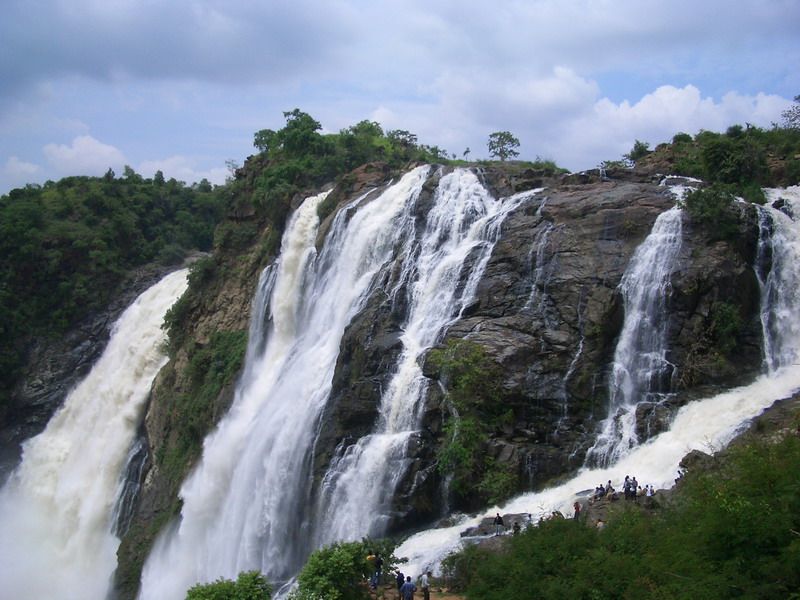
Seven kilometres from Shimla’s centre, Chadwick Falls drops 67 metres through dense forest into a rocky gorge below. It’s one of the genuinely hidden spots near Shimla — most tour operators don’t include it, most tourists don’t find it, and the trail from Glen Forest (where you alight the bus) takes about 2 km through cedar and rhododendron forest.
The falls are at their most dramatic during and immediately after the monsoon (August–September), when the volume is high and the surrounding forest is electric green. In winter, the flow reduces to a trickle. A Forest Department entry fee of ₹30 applies at the gate.
Honest warning: The path can get muddy and slippery after rain. Wear proper shoes. Don’t attempt it in flip-flops — people do and regret it.
🍏 7. Kufri & Mahasu Peak — Snow Without the Circus

Kufri, 13 km from Shimla at 2,600 metres, is the default snow destination for most visitors — and it shows. The main tourist zone is a corridor of jeeps, overpriced ponies, and plastic snow suits for rent. But go to Mahasu Peak, a 45-minute uphill walk from the Kufri jeep stand, and you enter a different world entirely.
At Mahasu Peak, at 2,900 metres, the views extend to Badrinath and Kedarnath on clear winter days. The high meadows in summer are covered in wildflowers. In January, the snowpack here is genuine — deep enough for snowball fights and quiet enough to hear yourself breathe.
Insider tip: Hire a local guide from Kufri for ₹200–₹300 to reach Mahasu Peak. The trail forks twice and the unmarked path is easy to miss in snow conditions.
🌸 8. Indian Himalayan Biodiversity Park, Kufri — The Green Secret
Rarely mentioned in travel guides, the Himalayan Nature Park in Kufri (also called the Indian Himalayan Biodiversity Park) sprawls across 90 hectares of forest and houses Himalayan wildlife — musk deer, snow leopards (in enclosures), Himalayan bears, and over 180 bird species. The park entrance fee is modest (₹30–₹50 adults) and the walking trails through cedar and oak forests are excellent for birding.
In spring (March–April), the rhododendron bloom inside the park is extraordinary — entire hillsides go red and pink. This is one of the best photography experiences near Shimla that almost nobody talks about.
🏔️ 9. Chail — The Palace, the Cricket Ground & the Valley

Chail, 45 km from Shimla via a spectacular winding road through Kufri and Kandaghat, deserves far more attention than it gets. The Chail Palace — built by Maharaja Bhupinder Singh of Patiala after the British banned him from Shimla — sits at 2,250 metres surrounded by pine forest and is now a heritage hotel. Even if you’re not staying, the grounds are open for day visitors.
The world’s highest cricket ground (2,444 metres above sea level) is in Chail — a polo ground originally, now maintained for cricket by the Indian Army. The view from the outfield, looking out over multiple valley ridges, is almost absurdly cinematic. And the drive back to Shimla via Sunset Point gives you the best valley-to-ridge panorama of the entire Shimla circuit.
Insider tip: Chail is worth an overnight stay to experience it properly — the Chail Palace Heritage Hotel has rooms from ₹4,000/night and the forest silence after dark is remarkable.
🍎 10. Narkanda’s Apple Orchards & Hatu Peak — The Road Less Taken

Sixty-five km from Shimla on the old Hindustan-Tibet Highway, Narkanda is where Shimla’s tourist trail ends and the real Himachal begins. The town sits above vast apple orchards that turn gold and red in October, with the snow peaks of Kinnaur visible on the eastern horizon.
Hatu Peak, 10 km from Narkanda town at 3,400 metres, is a straightforward drive-and-short-hike to one of the best panoramic viewpoints accessible from the Shimla region without serious trekking gear. The Hatu Mata temple at the summit adds a spiritual dimension to what is already a magnificent physical experience. In winter, Narkanda becomes a basic ski resort — equipment rental costs ₹300–₹500/day and the slopes are gentle enough for beginners.
The drive from Shimla to Narkanda via NH5 passes through apple country that is genuinely beautiful — buy a box of fresh apples directly from orchard owners in September–October for ₹150–₹200 (5 kg). These are the sweetest apples in India and they don’t travel well, which is exactly why they taste better here.
- 💡 Practical Travel Tips {#tips}
Cash vs. Card: Mall Road and most restaurants accept UPI and cards. Kufri, Chail, Narkanda, and smaller vendors are cash-only. Always carry ₹2,000–₹3,000 in cash. ATMs at the Ridge and Scandal Point are the most reliable.
Internet: Airtel and BSNL cover Shimla town well. Jio works at Cart Road but is patchy on the Ridge. In Narkanda and at Hatu Peak, expect minimal to no connectivity. Download offline maps before leaving town.
Clothing: Pack for cold evenings year-round. Even in May, evenings drop to 8–12°C. In January–February, expect -2 to 5°C — thermal layers, fleece, waterproof jacket, and non-slip boots are non-negotiable. The cold is genuinely dangerous if you’re underprepared.
Safety: Shimla is very safe. The pedestrian-only centre means no traffic anxiety. Solo women travellers consistently report positive experiences. Main risk: Jakhu monkeys. Take this seriously — they are faster and more strategic than they look.
Useful Apps: IRCTC for Kalka-Shimla train booking (do this weeks in advance), HRTC app for state bus bookings, Google Maps (reliable in town), Ola for Cart Road cabs.
- 📅 Best Time To Visit Shimla {#besttime}
| Month | Weather | Crowds | Verdict |
| January | -2 to 8°C, heavy snow | Medium–High | Snow lovers — book 3 weeks ahead |
| February | 0–10°C, snowfall possible | High | Romantic and dramatic |
| March | 5–15°C, snow melting | Low | Hidden gem — cheaper, quieter |
| April | 10–20°C, spring blooms | Low | Underrated — rhododendrons in bloom |
| May | 15–25°C | Very High | School holiday rush; skip if possible |
| June | 18–28°C, pre-monsoon | High | Still crowded, getting humid |
| July–August | Monsoon, heavy rain | Low | Landslide risk; some roads close |
| September | 12–22°C, post-monsoon | Low | Lush green, Chadwick Falls at peak |
| October | 8–18°C, apple season | Low–Medium | Best overall — orchards in colour |
| November | 3–12°C, cooling | Low | Quiet and atmospheric |
| December | -1 to 8°C, festive | High | Christmas/New Year crowds; prices spike |
Best months overall: March–April and September–October. These are when Shimla shows its best face — manageable crowds, excellent light, and prices that haven’t spiked into holiday season territory.
- ⏳ Suggested Itinerary — 4 Days in Shimla {#itinerary}
Day 1 — Arrive + Mall Road + Ridge
- Arrive by afternoon, check in, walk to the Ridge
- Christ Church, Gaiety Theatre exterior, Scandal Point
- Sunset from the Ridge; dinner at Baljees (walnut cake non-negotiable)
- Estimated spend: ₹1,800–₹2,500
Day 2 — Jakhu + Viceregal Lodge + Prospect Hill
- 5:30 AM: Jakhu Hill for sunrise (walk or ropeway)
- Breakfast: Local dhaba near Ridge (siddu + chai)
- 11 AM: Viceregal Lodge guided tour (₹50 entry)
- 4:30 PM: Prospect Hill sunset walk via Boileauganj
- Estimated spend: ₹1,200–₹1,800
Day 3 — Kufri + Mahasu Peak + Himalayan Nature Park
- 7 AM: Cab to Kufri (₹700–₹900 return)
- Mahasu Peak walk with local guide (₹200–₹300)
- Himalayan Nature Park wildlife and forest walk
- Return by 4 PM; evening free in Shimla
- Estimated spend: ₹1,500–₹2,500
Day 4 — Chail + Narkanda or Departure
- Option A (if departing): Morning at Chadwick Falls (Glen Forest, ₹30 entry), then depart
- Option B (one more night): Full-day Narkanda apple orchards + Hatu Peak (cab ₹2,000–₹2,500)
- Estimated spend: ₹2,000–₹3,500
- 💰 Budget Breakdown {#budget}
| Category | Budget | Mid-Range | Luxury |
| Accommodation/night | ₹700–₹1,800 | ₹2,500–₹6,000 | ₹8,000–₹25,000 |
| Food/day | ₹200–₹400 | ₹500–₹900 | ₹1,500–₹3,000 |
| Transport/day | ₹200–₹500 | ₹700–₹1,500 | ₹2,500+ |
| Sightseeing/day | ₹50–₹200 | ₹300–₹600 | ₹1,000+ |
| Daily total | ₹1,150–₹2,900 | ₹4,000–₹9,000 | ₹13,000+ |
| 4-day trip | ₹5,000–₹12,000 | ₹16,000–₹36,000 | ₹52,000+ |
Where to save: HRTC local buses to Kufri instead of private cabs. Dhaba meals near the bus stand instead of Mall Road restaurants. Visit Viceregal Lodge and Chadwick Falls (both under ₹50 entry) instead of paid activity packages.
Where to splurge: The Kalka-Shimla toy train Shivalik Deluxe (₹360, non-negotiable upgrade). One lunch at Wildflower Hall even if you’re not staying — the setting alone is worth it. And the Narkanda day trip by private cab — split between two people, it’s genuinely reasonable for what you see.

- 🤔 Final Verdict {#verdict}
What struck me most about Shimla — doing this list properly, visiting each place at different times of day and different seasons — was how much the town rewards effort. Almost every entry on this list gets better the earlier you arrive, the further you walk, or the more you’re willing to leave the main drag.
The honest drawback: Getting between these ten places requires real planning. Shimla’s pedestrian-only core means every excursion starts and ends with a walk up or down steep staircases. Day trips to Kufri, Chail, and Narkanda need private transport. For travellers without a fixed vehicle (hired cab or rental), covering all ten spots in four days requires advance booking and early starts.
Perfect for: History buffs who love colonial architecture, couples in search of snow romance (check the Tripyverse Himachal Honeymoon package for a curated version of this trip), photographers who wake up early, slow travellers who prefer depth over distance, and anyone who finds Manali too adventure-heavy.
Might want to reconsider: Travellers expecting beach weather or nightlife, anyone visiting only in May–June who hasn’t booked months ahead, and people with significant mobility issues — the terrain is genuinely challenging.
Shimla’s ten best places aren’t on a single street. They’re scattered across hillsides and forested peaks and 65 km of mountain highway. But every single one of them is worth finding — and that, honestly, is what makes this town worth coming back to.