


📋 TABLE OF CONTENTS
- The Desert That Has No Business Being in the Himalayas
- Where is Nubra Valley Located?
- How to Get to Nubra Valley from Leh
- Getting Around Nubra Valley
- Where to Stay in Nubra Valley
- Top Things to Do in Nubra Valley and Beyond
- Practical Travel Tips for Nubra Valley
- Best Time to Visit Nubra Valley
- 3-Day Nubra Valley Itinerary with Daily Costs
- Complete Budget Breakdown
- Final Honest Verdict
1. The Desert That Has No Business Being in the Himalayas {#intro}

I crossed Khardung La at 5,359 metres on a cold July morning and the summit was wrapped in cloud. The temperature was below zero. My fingers were numb through my gloves and the air was so thin that stepping out of the jeep to take a photograph required a conscious effort. Everything up there was monochrome — grey rock, grey sky, white snow, the faded colours of prayer flags snapping in a sharp wind.
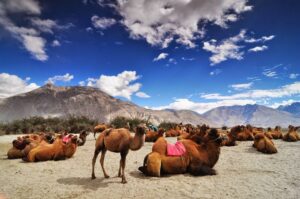
Then we descended. And within forty minutes of leaving that frozen summit, the valley floor appeared below us like a hallucination. Sand dunes. Actual golden sand dunes, sitting between two glacial rivers at 3,000 metres, ringed by 6,000-metre peaks. A Bactrian camel — double-humped, prehistoric-looking — was being led across the dunes by a boy who looked entirely unbothered by the absurdity of the scene.
Nubra Valley is the place that breaks your sense of what Ladakh is supposed to look like. You spend Days 1 and 2 in Leh absorbing the high-altitude desert landscape — read the full Day 1 Leh guide for everything you need to know about acclimatization before attempting this trip — and then you cross a 5,000-metre pass and descend into something that looks like the Sahara placed inside the Swiss Alps. Nothing prepares you for it. That is the point.
2. Where is Nubra Valley Located? {#location}
Nubra Valley lies north of Leh in the Ladakh Union Territory, separated from the Leh plateau by the Ladakh Range and accessible only via Khardung La pass (5,359m). The valley is formed by the confluence of the Shyok and Nubra rivers, running roughly northwest toward the Pakistan border. The main settlements are Diskit, Hunder, and Turtuk — the last village before the Line of Control with Pakistan and one of the most interesting cultural detours in all of Indian Himalayan travel.
Despite being only 120 km from Leh by road, the combination of the high pass and the Inner Line Permit requirement has kept Nubra Valley from being overwhelmed in the way that Pangong Lake has. It is busy in peak season but never truly crowded — the valley is simply too large and too spread out for crowds to ruin it.
3. How to Get to Nubra Valley from Leh {#get-there}
By Shared Jeep from Leh — Standard Option
Shared jeep taxis depart from the Leh Taxi Union stand near the main market from around 7–8 AM. The journey to Diskit (the Nubra Valley main town) takes approximately 4–5 hours via Khardung La. Cost: ₹700–₹1,000/seat in a shared vehicle. The road is entirely operated by shared Innova or Sumo taxis — no HRTC buses run this route.
By Private Jeep — Flexible Option
A private jeep with driver for Nubra Valley runs ₹5,000–₹7,000/day from Leh. This gives you flexibility to stop at Khardung La for as long as you want, reach the Nubra valley on your own timeline, and access the more remote villages without being bound to a shared taxi schedule.
By Motorbike — The Classic Choice
Renting a Royal Enfield in Leh (₹1,000–₹1,500/day) and riding to Nubra yourself is the most celebrated way to make this trip. The road over Khardung La is paved and well-maintained by army standards — but it is narrow, cold at the top, and should only be attempted from Day 3 or 4 of your Leh stay, by which point you’ll have acclimatized sufficiently. Never attempt Khardung La on Day 1 or Day 2 on a bike.
Inner Line Permit: All Indian nationals need an ILP to enter Nubra Valley. This costs ₹20–₹40 and is available at the DC Office in Leh or increasingly through online portals. Your hotel or tour operator will usually sort this for you if you ask.
4. Getting Around Nubra Valley {#getting-around}
Nubra Valley’s main points — Diskit, Hunder sand dunes, and Turtuk — are spread across roughly 90 km of valley road. Getting between them requires either a motorbike or a hired vehicle.
Within Diskit/Hunder: These two villages are only about 7–10 km apart and are the core of most tourist activity. You can walk between the camp/guesthouse area and the sand dunes comfortably if you’re acclimatized. Local e-rickshaws sometimes operate for ₹50–₹100 per trip.
Diskit to Turtuk: 80 km by road, roughly 2.5–3 hours each way. Shared jeeps occasionally make this run (₹400–₹600/seat) but are unreliable — a private vehicle (₹2,500–₹3,500 for the day) is more practical if Turtuk is on your agenda.
Diskit to Panamik: About 45 km north on the other arm of the valley. Shared taxis run sporadically (₹300–₹400/seat); private jeep adds ₹2,000–₹2,500. The hot springs at Panamik are worth the trip.
Difficulty for first-timers: Moderate. The roads are generally good between Diskit and Hunder. The road to Turtuk has some rough sections. Self-drive is straightforward for experienced mountain drivers; beginners should hire with driver.
5. Where to Stay in Nubra Valley {#stay}

Best base: Hunder village (closest to the sand dunes and the camel safari) or Diskit (larger, more facilities, closer to the monastery). For the Turtuk experience, stay in Turtuk itself — the village has a handful of family guesthouses that are among the most atmospheric stays in all of Ladakh.
Budget (₹600–₹1,500/night)
Village Guesthouses, Hunder: Several family-run guesthouses in Hunder village offer basic rooms with mountain views for ₹700–₹1,200/night. Clean, simple, no frills. Most families will cook traditional Ladakhi food on request — say yes to this without hesitation. The home-cooked Thukpa and butter tea here are infinitely better than anything in a tourist restaurant.
Turtuk Village Homestays: The Balti families in Turtuk (the community here is ethnically Balti, not Ladakhi — culturally distinct and fascinating) offer homestays from ₹600–₹900/night including meals. This is some of the most authentic rural mountain accommodation available anywhere in India.
Mid-Range (₹2,500–₹5,000/night)
Hunder Resort: Well-established tented camp right at the edge of the sand dune area. Proper beds in comfortable tents with attached bathrooms, camp fire evenings, and extremely photogenic dune views. Around ₹3,500–₹4,500/night including meals.
The Silk Route, Diskit: A good mid-range hotel with actual brick-and-mortar rooms, reliable hot water, and mountain views from most rooms. Around ₹3,000/night. Comfortable option for those who prefer walls to canvas.
Luxury (₹8,000+/night)
Nubra Organic Retreat, Hunder: The valley’s best luxury property — organic farm on site, beautifully designed rooms using local stone and wood, and one of the best views in Nubra looking out over the dunes toward the mountains. Around ₹10,000–₹14,000/night.
For travellers wanting Nubra included in a curated Ladakh package, the Leh escape packages on Tripyverse cover accommodation in Nubra with ILP and transport organised.
6. Top Things to Do in Nubra Valley and Beyond {#things-to-do}
6.1 Crossing Khardung La — The Pass That Changes Everything
Khardung La (5,359m) is the gateway to Nubra Valley and one of the highest motorable roads in the world. For most travellers, reaching the summit is as much the point as the destination below. The pass itself is modest in physical appearance — a cluttered summit with army signage, a tiny dhaba serving instant noodles and chai, and prayer flags in every direction — but the approach and the view are spectacular.
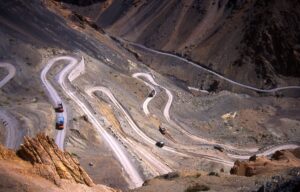
The road up from Leh is 37 km of switchbacks through progressively more barren terrain. Snow remains on the sides of the road well into July. At the summit, the temperature can be 15–20°C colder than Leh regardless of season. The view — when cloud allows — sweeps across the Ladakh Range in both directions.
Honest warning: Do not spend more than 20–30 minutes at the Khardung La summit. AMS symptoms can develop quickly at this altitude, even in people who are well-acclimatized to Leh (3,524m). The summit is significantly higher and the reduced oxygen is immediately noticeable. Eat something warm at the dhaba, take your photographs, and descend.
Insider tip: The road is controlled by the army and closes periodically for maintenance or military convoys. Check the status the evening before your planned trip through your hotel or the Leh taxi union.
6.2 Diskit Monastery — The 600-Year-Old Monastery on a Cliff

Diskit Gompa is the oldest and largest monastery in Nubra Valley, built in the 14th century on a cliff above the Shyok River. The monastery complex rises in tiers of red-and-white buildings up the cliff face — a visual that is distinctly Tibetan Buddhist and completely different from the Islamic architectural tradition of the Turtuk area just 80 km away. The interiors contain ancient thangka paintings, butter lamp chambers, and a prayer hall with a haunting quality of silence.
Above and behind the main monastery sits the giant 32-metre Maitreya Buddha statue (Buddha of the Future), visible from kilometres away and best photographed from the road below with the mountain range as backdrop.
Getting there: Diskit town is the gateway; the monastery is about 2 km from the main market, accessible by foot in 20–30 minutes or by auto for ₹50–₹80. Entry: ₹50 for Indians.
Insider tip: Visit early morning (7–9 AM) when the monastery is quiet, the butter lamps are being lit, and the monks are at prayer. The atmosphere at this hour is completely different from the mid-morning tourist rush.
6.3 Hunder Sand Dunes — Camels in the Himalayas

The Hunder sand dunes are arguably the most surreal landscape in Ladakh — a stretch of golden sand between two braided glacial rivers, backed by 6,000-metre peaks. The dunes themselves are modest in scale (nothing like the Sahara), but the combination of landscape elements — sand, snow, mountain, river — creates a scene that simply should not exist at 3,000 metres in the Himalayas.
The Bactrian camels at Hunder are the descendants of those used on the ancient Silk Route that passed through Nubra Valley on its way between Central Asia and the Indian subcontinent. They are double-humped, shaggy, and deeply unimpressed by tourists.
Camel safari: ₹300–₹400 per person for a 20–25 minute loop across the dunes. Operators are lined up at the dune entrance. The ride is slow, slightly awkward, and entirely worth doing.
Photography timing: Golden hour (1 hour before sunset) is when the dunes turn from dusty brown to vivid gold and the shadows from the camel humps and sand ripples become dramatic. Be at the dunes by 5:30 PM and stay until the light fades.
Honest warning: The Hunder sand dunes are busy in peak season (July–August). Dozens of jeeps, dozens of camels, hundreds of tourists. Go early morning (7–8 AM) or late afternoon to escape the mid-day crowd. The dunes look entirely different — and much better — at those hours.
6.4 Turtuk — The Last Village Before Pakistan

Turtuk is the single most interesting cultural destination in Nubra Valley and one of the most overlooked places in all of Ladakh tourism. The village sits just 12 km from the Line of Control with Pakistan, which means it was Pakistani territory until 1971 — when India captured it during the Indo-Pakistan war. Many families in Turtuk still have relatives on the Pakistani side they haven’t seen in over fifty years.
The community is Balti — a people of Tibetan origin who converted to Islam centuries ago. The culture is a remarkable fusion of Tibetan, Central Asian, and Islamic traditions: stone mosques alongside apricot orchards, prayer flags alongside minarets, the Balti language (a form of archaic Tibetan) alongside Urdu. The village architecture — multi-storey stone houses with carved wooden balconies overhanging narrow lanes — is completely different from anything in Leh or Diskit.
Walking through Turtuk’s old village lanes with no specific destination in mind, stopping when a local family offers apricot juice and dried apricots from their garden, sitting by the cold stream that runs through the centre of the village — this is the kind of travel experience that stays with you permanently.
Getting there: 80 km from Diskit, about 2.5–3 hours by road. Requires an additional section on the Inner Line Permit (tick the Turtuk box when applying).
Time required: Minimum half-day; one full day is better. Overnight in a Turtuk homestay is the ideal — the village at dawn, before tourists arrive, is extraordinary.
Insider tip: The Turtuk museum (small, locally run, ₹50 entry) documents the village’s unique history of partition and the human cost of the 1971 border change. It is one of the most moving small museums in India.
6.5 Panamik Hot Springs — Nature’s Solution to Mountain Cold
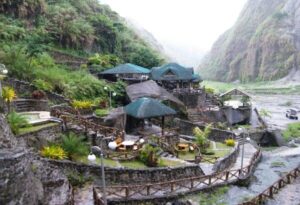
Panamik sits at the northern end of Nubra Valley, about 45 km from Diskit, at the base of the Siachen Glacier approach. The hot springs here are sulphurous and natural, with temperatures around 65–70°C at the source, cooled to bathing temperature in the public pools. After days of cold mountain travel, sitting in hot spring water with snow peaks visible above is one of those experiences that resets your entire nervous system.
The hot springs are modest — concrete pools, no luxury — but the setting is extraordinary and the effect is genuine.
Getting there: Shared jeep from Diskit (₹300–₹400/seat) or private vehicle (₹2,000–₹2,500 for the Diskit–Panamik return). Entry to the springs: ₹50.
Insider tip: Go in the afternoon when the springs have warmed through the day and fewer people are around. Early morning they can be crowded with locals.
6.6 Sumur and Samtanling Monastery — The Quiet Alternative to Diskit
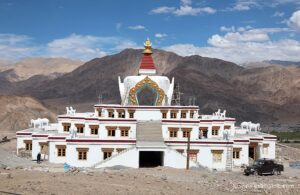
Sumur village, about 20 km from Diskit, is where the Nubra Valley tour groups don’t go. Samtanling Monastery sits above the village — smaller than Diskit Gompa, less famous, entirely less crowded. The views from the monastery roof across the Nubra Valley floor and up toward the snowy peaks of the Siachen range are as good as anything in the valley.
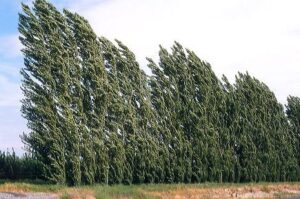
Sumur itself is a classically Ladakhi village — poplar trees lining the irrigation channels, barley fields, low stone houses, the smell of dung fuel in the air. It’s the kind of place you walk through slowly and feel the specific peace of high-altitude rural life.
Getting there: 20 km from Diskit by road. Shared jeep occasionally (₹200/seat); private vehicle more reliable.
6.7 Khardung La to Nubra — The Descent Nobody Photographs Enough

The 37-km descent from Khardung La summit to the Nubra Valley floor is as spectacular as any single drive in India. The road drops more than 2,300 metres in altitude, passing through: snowfields and grey scree at the summit; then a zone of wild flowers and running streams as the altitude drops; then the first views of the vast Shyok River valley below; then the descent into the valley floor with its poplars and apricot orchards and sudden warmth.
Almost everyone photographs the Khardung La summit sign. Almost nobody photographs the descent itself — which is where the real drama unfolds. Stop at the switchbacks, look back up at the road you’ve just come down, and photograph that.
Insider tip: The best viewpoints on the descent are roughly 15–20 km below the summit. Pull over at the hairpin bends where the valley first becomes fully visible below. This is your most dramatic photograph of the entire Nubra trip.
7. Practical Travel Tips for Nubra Valley {#tips}
Cash only everywhere: There are no ATMs in Nubra Valley. None in Diskit, none in Hunder, none in Turtuk. Carry sufficient cash from Leh before you leave — a minimum of ₹5,000–₹8,000 for 2 nights covering accommodation, food, activities, and transport.
Mobile signal: BSNL works intermittently in Diskit and Hunder. Nothing in Turtuk or Panamik. Download offline maps (Google Maps offline or Maps.me) before leaving Leh. Inform someone of your itinerary before heading to Turtuk.
ILP — get it before you go: The Inner Line Permit for Nubra must be obtained in Leh. If you’re planning to visit Turtuk as well, make sure to specifically request Turtuk on your permit — it requires a separate sub-area clearance. Your hotel in Leh can arrange this, or visit the DC Office yourself (30–45 minutes, ₹20–₹40).
Altitude consideration: Nubra Valley floor (Diskit/Hunder) sits at 3,000m — lower than Leh at 3,524m, which means your body actually has an easier time here. However, Khardung La at 5,359m is significantly higher than anything you’ve experienced in Leh. Cross it, don’t linger, and descend quickly.
Petrol: Fill up completely in Leh before leaving. There is one petrol pump in Diskit but it sometimes runs out of supply. Don’t rely on it for a motorbike return.
Warm clothing: Even in summer, the Khardung La crossing requires a heavy jacket, gloves, and windproof layer. The valley floor is warmer but evenings drop quickly. Carry warm clothes regardless of month.
8. Best Time to Visit Nubra Valley {#best-time}

| Month | Road Status | Conditions | Verdict |
| Jan–Apr | Khardung La closed | Nubra inaccessible by road | ❌ Not possible for most travellers |
| May | Pass opens (usually mid-May) | Some snow possible, cool, quiet | ⚠️ Possible but cold and limited facilities |
| Jun | Fully open, pre-peak | Warm days, clear roads, fewer crowds | ✅ Excellent — best balance |
| Jul–Aug | Fully open, peak season | Warm (25–30°C valley floor), busy | ☀️ Best weather, most crowded, book ahead |
| Sep | Fully open, post-peak | Clear skies, cooler, thinning crowds | ⭐ Best overall — fewer people, dramatic light |
| Oct | Pass may close mid-October | Getting cold, early snowfall possible | ⚠️ Go early October or risk closure |
| Nov–Apr | Closed | Nubra inaccessible | ❌ |
The sweet spot: June or September. June gives you good weather before the July–August peak. September gives you the best light, post-monsoon clarity, and significantly fewer tourists than peak season. The Hunder sand dunes in September — golden in the afternoon light with no queues of jeeps and camels — look like an entirely different place from the peak July version.
Honest peak season warning: July–August Nubra sees bus convoys, hundreds of tourist jeeps, and the Hunder sand dunes become a genuine crowd scene. The valley is large enough that it never becomes overwhelming — but your sunrise at the dunes will have company. Book all accommodation at least 4–6 weeks ahead for July–August travel.
9. 3-Day Nubra Valley Itinerary with Daily Costs {#itinerary}

This itinerary assumes you are already acclimatized from 2+ days in Leh. Never attempt Nubra Valley on Day 1 or Day 2 of your Ladakh trip.
Day 1 — Leh to Nubra via Khardung La
Early start from Leh (7 AM). Stop at Khardung La summit (20 minutes maximum — photographs, brief awe, descent). Stop at the viewpoint bends on the way down to photograph the valley opening below. Arrive Diskit by noon–1 PM.
Afternoon: Diskit Monastery (1.5–2 hours). Walk through the old monastery, climb to the Maitreya Buddha statue viewpoint, photograph from below. Drive 7 km to Hunder.
Evening: Check into camp or guesthouse. Walk to the sand dunes (1 km from most accommodation). Golden hour photography — camels, dunes, mountains in the fading light. Dinner in camp.
Estimated daily spend: ₹3,500–₹5,000 (shared jeep ₹800 + accommodation ₹2,000 + food ₹500 + monastery entry ₹50)
Day 2 — Turtuk Full Day
Early start (7 AM) from Hunder — the 80 km road to Turtuk takes 2.5–3 hours. Arrive Turtuk by 10 AM.
Morning: Walk through Turtuk’s old village lanes. Visit the Turtuk museum (₹50). Buy dried apricots, mulberry jam, and Balti nuts from the small market. Sit by the village stream.
Afternoon: Visit the old royal palace ruins and the traditional Balti house museum (ask a local to guide you — ₹200–₹300 for a guided tour). Walk to the viewpoint above the village overlooking the Shyok River valley and Pakistan beyond.
Late afternoon: Overnight in Turtuk homestay. Dinner with the Balti family — the food here is distinct from Leh: rice with apricot-based dishes, local mountain goat if available, Balti butter tea.
Estimated daily spend: ₹2,500–₹3,500 (private jeep to Turtuk ₹1,500 per person split × 2 + homestay ₹800 + meals ₹500)
Day 3 — Return: Panamik Hot Springs + Sumur + Back to Leh
Morning: Hot spring at Panamik (45 km from Diskit, 1.5 hours). Soak for 30–45 minutes. Return toward Diskit.
Stop at Sumur village and Samtanling Monastery on the way back through the valley — 30–45 minutes, quiet, no crowds.
Afternoon: Begin return to Leh via Khardung La. Allow 4–5 hours for the return journey including the pass. Arrive Leh by evening.
Estimated daily spend: ₹2,500–₹3,500 (shared jeep return ₹800 + hot springs ₹50 + food ₹400 + misc ₹300)
10. Complete Budget Breakdown {#budget}
Budget Traveller — ₹9,000–₹12,000 for 3 Days (from Leh, excluding flights)
| Expense | Cost (₹) |
| Shared jeep Leh–Nubra–Leh (return) | 1,600 |
| Private jeep for Turtuk day (split 2 people) | 1,500 |
| Accommodation — 2 nights (guesthouse/homestay) | 2,000 |
| Food — 3 days at ₹600/day | 1,800 |
| Camel safari Hunder | 400 |
| Diskit monastery + Turtuk museum entry | 100 |
| Panamik hot springs | 50 |
| Inner Line Permits (Nubra + Turtuk) | 60 |
| Miscellaneous (apricots, souvenirs, tips) | 800 |
| TOTAL | ₹8,310 |
Mid-Range Traveller: ₹18,000–₹25,000 for 3 days (private vehicle throughout, camp accommodation with meals)
Luxury Traveller: ₹40,000+ for 3 days (Nubra Organic Retreat, private SUV, guided monastery tours)
Where to save: Share the jeep to Turtuk — a private jeep from Diskit to Turtuk costs ₹3,000–₹3,500 but split between 4 people becomes entirely reasonable. Homestays in Turtuk over camps at Hunder (₹700 vs ₹3,000 per night). Buy apricots directly from village families rather than tourist shops.
Where to splurge: One night at a proper sand dune camp at Hunder with bonfire and star-gazing. The Nubra Valley night sky at 3,000m with zero light pollution is genuinely one of the most extraordinary skies I have ever seen anywhere — pay the extra ₹2,000–₹3,000 for a camp with outdoor seating and a clear view to the south.
The Leh escape packages on Tripyverse include Nubra Valley as a standard component with all transport and permits handled — worth considering if planning is not your strong suit. If you’re building a broader Himalayan comparison, our Manali travel guide and hidden gems in Kashmir are useful counterpoints — different mountain cultures, similar dramatic landscapes.

11. Final Honest Verdict {#verdict}
Nubra Valley is the chapter of a Ladakh trip that makes everything else make sense. Leh and the monastery circuit give you the Buddhist culture and the high-altitude landscape. Pangong gives you the famous lake. But Nubra — with its sand dunes, its camels, its Balti village of Turtuk, its hot springs, and its position straddling the most culturally complex border zone in India — gives you something that has no equivalent anywhere else in the country.
What genuinely impressed me most was Turtuk. I went expecting a mildly interesting border village. I came back having sat in a family kitchen eating apricot halwa with a grandfather who last spoke to his brother in Pakistan in 1971 and who told me about it matter-of-factly over tea. That kind of encounter — the specific human weight of it — is what travel is supposed to provide but rarely does as completely as Turtuk managed.
The honest drawback: Nubra Valley is logistically demanding in a way that can exhaust unprepared travellers. The road over Khardung La is cold, sometimes bumpy, and takes the better part of a morning. The Turtuk detour adds 5–6 hours of driving to an already full day. There is no reliable mobile signal, no ATM, and limited medical facilities beyond Diskit. If you have altitude sensitivity or logistical anxiety, do the Nubra Valley day trip without Turtuk rather than rushing both.
Perfect for: Adventure photographers — the dunes, the camel, the monastery, the descent from Khardung La all produce extraordinary images. Culture travellers who want something beyond standard Himalayan scenery. History enthusiasts with interest in Partition, the 1971 war, and the human geography of the India-Pakistan border. Anyone who has done Pangong Lake and wants the less-famous but arguably more interesting Nubra alternative.
Might want to skip or modify if: You have severe altitude sensitivity (Khardung La at 5,359m is genuinely demanding). You only have 1 day for Nubra — 1 day is enough for Diskit, Hunder, and the dunes, but Turtuk genuinely needs 2 days minimum. And if you’re comparing this against beach destinations — our guides on Bali 2026, Kerala, and Thailand serve an entirely different travel need, and there is no shame in knowing which one you are.
Go to Nubra. Cross the pass. Sit with the camel at golden hour. Go to Turtuk. Drink the apricot tea.