

📋 TABLE OF CONTENTS
- Ten Days in Vietnam — What Nobody Warned Me About
- Where Is Vietnam?
- How To Get There From India
- Getting Around — What Actually Works
- Where I Stayed — Budget to Splurge
- Food, Nightlife & Hidden Spots Worth Your Time
- Practical Tips I Learned the Expensive Way
- Best Time To Visit Vietnam
- My Exact 10-Day Itinerary with Real Daily Costs
- Honest Complete Budget Breakdown
- Final Verdict — Would I Go Back?
- 🍜 Ten Days in Vietnam — What Nobody Warned Me About
Nobody warned me about the motorbikes.
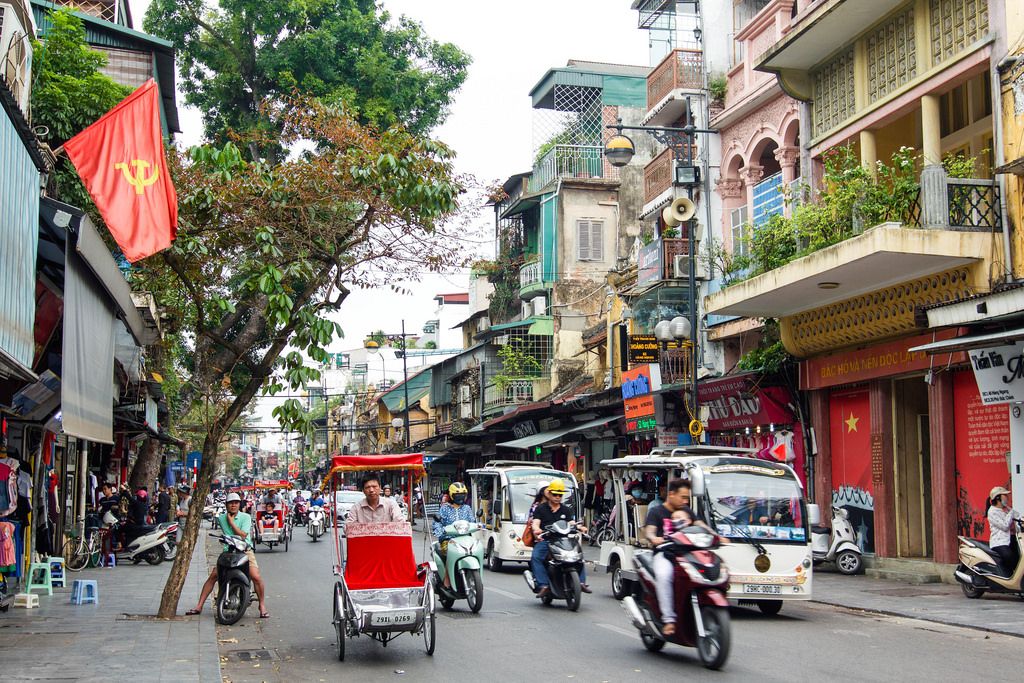
Not in a dangerous way — I mean the specific, particular texture of crossing a street in Hanoi for the first time, where the motorbikes come in a continuous, apparently unbroken stream from every direction, and the local technique is to simply step into the road and walk at a steady pace while the bikes adjust their trajectories around you. The first time I tried this — outside my guesthouse on Hang Be Street, 9 PM on Day 1 — I froze. A woman in her sixties carrying a pot of soup on her motorbike curved around me without breaking speed or spilling a drop and disappeared into the traffic without looking back. I stood on the kerb for another minute. Then I stepped in, walked slowly, and made it across.
That crossing felt like an initiation. By Day 3 I was doing it instinctively. By Day 7, in Ho Chi Minh City where the motorbike density is somehow even higher, I was navigating six-lane junctions without thinking about it.
Ten days in Vietnam teaches you things no guidebook quite prepares you for — about the motorbikes, about the food (more extraordinary and more regionally specific than any travel blog summarises adequately), about the nightlife (which is wilder and cheaper than anywhere I’ve been in Asia outside Bangkok), and about the hidden rhythms of a country that rewards patience and curiosity in almost equal measure.
Here’s the honest account. Real costs, real opinions, no varnish.
- 📍 Where Is Vietnam?
Vietnam is a long, narrow S-shaped country running 1,650 km along the eastern coastline of the Indochina Peninsula in Southeast Asia — bordered by China to the north, Laos and Cambodia to the west, and the South China Sea to the east. Its capital Hanoi sits in the north; Ho Chi Minh City (still called Saigon by virtually everyone who lives there) anchors the south. Between them lie three world-class destinations — Ninh Binh, Hue, and Hoi An — and a coastline of beaches that stretches so far it needs different packing lists at either end. The country is long enough that weather, food, and culture change significantly from north to south, which is what makes a 10-day north-to-south journey feel like visiting multiple countries in one trip.
- ✈️ How To Get There From India
E-visa first: Indian passport holders must apply for a Vietnam e-visa at the official government portal before travelling. It costs approximately ₹1,800–2,000 (US $25), is valid for 90 days single or multiple entry, and takes 3 business days to process. Apply at least a week before departure. This is non-negotiable and the process is genuinely straightforward.
Direct flights from India:
Delhi to Hanoi: IndiGo and Vietnam Airlines operate direct flights (~5.5 hours). Prices for return flights: ₹14,000–30,000 depending on advance booking. I booked 6 weeks ahead and paid ₹17,500 return.
Mumbai/Delhi to Ho Chi Minh City: Usually involves one stop (Bangkok, Kuala Lumpur, Singapore). Total travel time: 8–12 hours. Return fares: ₹16,000–35,000.
Budget tip: Flying into Hanoi and out of Ho Chi Minh City (open-jaw ticket) is the most efficient for a north-to-south 10-day trip. Price difference is minimal and you avoid backtracking.
Domestic Vietnam flights: Vietnam Airlines, Vietjet, and Bamboo Airways connect all cities cheaply. Hanoi to Da Nang: ₹1,500–4,000. I booked 3 weeks ahead and paid ₹2,200 for Hanoi–Da Nang. Book early for the best prices.
Overnight train: The Reunification Express from Hanoi to Hue (14 hours, sleeper berth ₹1,500–2,500) is the most scenic domestic journey in Vietnam — the coastal stretch approaching Da Nang and through the Hai Van Pass is extraordinary, best experienced in daylight from a window seat.
- 🚗 Getting Around — What Actually Works
I used five different transport modes over 10 days and learned the value of each the hard way.
Grab (ride-hailing app): Download before you land. This is the single most important tool for Vietnam travel. Grab Car (₹100–300 for most intra-city routes) and Grab Bike (₹30–100) give you transparent, pre-agreed fares without any negotiation. I used Grab 15–20 times in 10 days and it worked flawlessly every time across Hanoi, Hue, and HCMC.
Street motorbike taxi (xe om): Cheaper than Grab Bike if you negotiate well, but the negotiation requires confidence and local price knowledge I didn’t have on Day 1. By Day 5 I was comfortable. Use Grab until you know the base fares, then negotiate street bikes based on that.
Sleeper bus: Hanoi to Hue overnight (12–14 hours, ₹600–1,000). The lie-flat berths are narrow but functional. I took the overnight Hue–Hoi An bus (3.5 hours, ₹300–400) and it was fine. Budget option, reliably on schedule.
Motorbike rental: I rented for two days in Hoi An (₹400–500/day, automatic scooter). The coastal road between Hoi An and Da Nang — 30 km along a beach highway — is one of the best rides I’ve had anywhere. International driving licence with motorcycle category is required. City riding in Hanoi or HCMC without experience is not recommended.
Cyclo (pedicab) in Hoi An: Tourist transport, ₹200–400 for a 30-minute ride through the Ancient Town lanes. More charming than efficient, but for a first-evening in Hoi An it’s entirely the right call.
First-timer difficulty: Low with Grab. Moderate for independent motorbike exploration. The country is one of Southeast Asia’s most navigable for first-time international travellers from India.
- 🏨 Where I Stayed — Budget to Splurge
My accommodation over 10 days: two nights in a hostel dorm (Hanoi), three nights in budget guesthouses (Hue, Hoi An), one mid-range boutique hotel upgrade (Hoi An night 3, because I’d earned it), and two nights in a mid-range HCMC hotel in District 1. Total accommodation cost: ₹11,400 for 10 nights — averaging ₹1,140/night across the full trip, which included the boutique upgrade.
Best area by city:
- Hanoi: Old Quarter (Ma May, Hang Be, Ta Hien streets)
- Hue: Near the Citadel or Pham Ngu Lao area
- Hoi An: Ancient Town side or An Bang Beach side (2 km from town)
- HCMC: District 1 for first-timers, District 3 for more local feel
Budget (₹700–2,000/night)
Hanoi Backpacker’s Hostel (Hang Bun Street, Old Quarter): The long-running standard. Dorm beds from ₹700, private rooms from ₹1,400. The rooftop bar runs late and is genuinely social — this is where the stories start. Staff know the city well and give honest recommendations.
Sunny A Hotel (Hue): A small family-run guesthouse near the Citadel. Clean private rooms from ₹1,000, genuinely helpful hosts, motorcycle rental arranged on the spot. The breakfast (bánh mì and fried egg, ₹80) is the right way to start a Hue morning.
An Bang Beach Bungalows (Hoi An): Simple beachside bungalows 2 km from the Ancient Town. From ₹1,200/night. Wake up to the sound of the South China Sea and cycle into town in 10 minutes. My second and third nights in Hoi An were here and both were excellent.
Mid-Range (₹3,000–8,000/night)
Essence Palace Hotel (Hanoi Old Quarter): Small boutique hotel on a quiet lane, rooftop breakfast with city views, exceptional service. From ₹3,500. Worth the upgrade from a hostel if you’ve arrived tired from a long-haul flight.
The Field Hoi An (Hoi An): A beautiful mid-range boutique hotel surrounded by rice fields, 10 minutes from the Ancient Town. Pool, garden, genuinely good breakfast. From ₹4,500. My third Hoi An night here was the best sleep of the trip.
Luxury (₹12,000+/night)
Sofitel Legend Metropole Hanoi: The most historic hotel in Vietnam, built in 1901, continuously operating. Bamboo Bar, French restaurant, tunnels under the hotel used as bomb shelters during the American War (guided tour available to guests). From ₹22,000.
Park Hyatt Saigon (HCMC): Overlooking Lam Son Square in District 1, with one of HCMC’s best breakfast buffets and a rooftop pool. From ₹18,000.
- 🍺 Food, Nightlife & Hidden Spots Worth Your Time
Ta Hien Street (Beer Street), Hanoi — The Honest Nightlife Reality

Ta Hien Street in Hanoi’s Old Quarter is the condensed epicentre of Vietnam’s backpacker nightlife — a single block where restaurants push plastic stools onto the street, bia hơi (fresh draught beer brewed daily, sold for ₹25–40 per glass) flows from every corner, and the noise reaches a cheerful peak between 9 PM and midnight.
I went expecting to dislike it and stayed for three hours. Bia hơi is genuinely excellent — light, slightly cloudy, very fresh — and the practice of drinking it on a plastic stool on a Hanoi pavement at 9 PM is one of those specific pleasures that doesn’t translate fully to description. The food stalls around Ta Hien — bun cha (charcoal-grilled pork patties in a sweet-sharp broth with rice noodles and herbs), nem ran (fried spring rolls), and skewers of everything — are cheap, consistently good, and available until 1 AM.
Honest warning: Ta Hien Street is genuinely touristy. The hawkers are persistent. If you’re looking for something more local, walk two blocks south to Luong Van Can Street — same bia hơi tradition, fewer foreigners, slightly lower prices.
Bun Cha Obama — The Meal That Made Headlines

In 2016, Anthony Bourdain brought Barack Obama to Bun Cha Huong Lien on Le Van Huu Street in Hanoi for bun cha — and the table where they sat is now preserved in a glass case and photographed by approximately three thousand people per day. The food is, despite the tourism, still excellent. Bun cha is one of Hanoi’s greatest dishes — pork meatballs and fatty pork belly grilled over charcoal until slightly charred, served in a small bowl of sweetened fish sauce broth alongside cold rice vermicelli, fresh herbs, and a fried spring roll. ₹200–280 for the full set.
Insider tip: Go for lunch, not dinner — the queue is shorter and the charcoal grill is freshest. The Obama table is worth a glance and a photograph; then sit anywhere else and eat.
Cơm Tấm in HCMC — Southern Vietnam’s Greatest Comfort Food
Broken rice (cơm tấm) is the signature street food of Ho Chi Minh City — served with grilled pork rib (sườn nướng), shredded pork skin (bì), egg meatloaf (chả trứng), a fried egg, and pickled vegetables, with a small bowl of sweetened fish sauce on the side. The whole plate costs ₹150–250 and is available from street stalls from 6 AM.
I ate cơm tấm six times in two days in HCMC and each version was slightly different in the balance of its components. This is not a dish that photographs well. It is a dish that makes you feel completely at peace with the world. Find it at any street stall in District 1 before 8 AM when the pork rib is freshest.
Bui Vien Walking Street — HCMC’s Nightlife Without the Pretension

Bui Vien in District 1 is HCMC’s most intense nightlife strip — 300 metres of bars, clubs, beer garden terraces, and live music venues that peak between 10 PM and 3 AM. Tiger beer promotional staff offer free samples every fifteen minutes. LED signs compete in brightness. The music from adjacent venues overlaps into a wall of sound that somehow remains more festive than aggressive.
I went in expecting to leave quickly. I stayed until 1 AM and genuinely enjoyed it — partly because the cheapness makes it stress-free (drinks at ₹80–150 each, bar food ₹200–400 per dish), partly because the crowd is diverse (Vietnamese groups, backpackers, Indian travellers, Korean tourists, everyone mixed together on the same terrace), and partly because there’s something refreshing about nightlife with absolutely no pretension about what it is.
Honest warning: Bui Vien is loud, touristy, and relentless. If you want something more atmospheric, the rooftop bars in District 1 (Chill Skybar, Air360) or the quieter cocktail bars in District 3 (Cargo Bar, The Gin House) offer a completely different register of HCMC nightlife.
Cao Lau in Hoi An — The Dish That Can’t Travel
Cao Lau is a noodle dish unique to Hoi An — thick, chewy rice noodles (made with water from a specific Hoi An well, according to local tradition) topped with char siu-style roast pork, crispy croutons of fried dough, fresh bean sprouts, mint, and a small amount of broth. The combination of textures — chewy noodle, crispy crouton, tender pork, fresh herb — is unlike anything else in Vietnam. And because the noodles are allegedly specific to Hoi An’s water source, the dish tastes different here than anywhere you’d find an imitation of it elsewhere.
Find it at street stalls near the Hoi An Central Market (₹150–200) or at Morning Glory Restaurant for a slightly more refined version (₹300–400). Eat it for breakfast. It’s the right meal at the right time of day.
The Hai Van Pass on a Motorbike
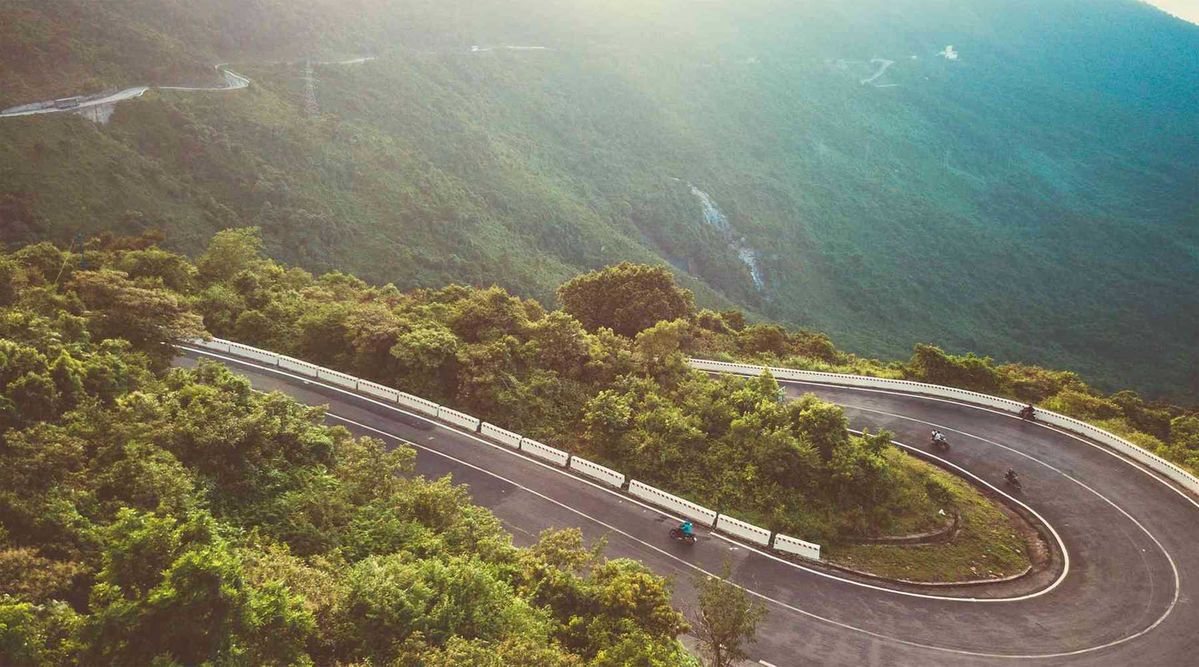
Between Da Nang and Hue, the Hai Van Pass crosses a mountain headland at 496 metres, with the South China Sea on one side and forested mountains on the other. The road is 21 km of curves, viewpoints, and one of the most legitimately beautiful coastal drives in Asia. It was famously featured in Top Gear Vietnam Special and has never quite recovered from the attention — but it’s still extraordinary.
I rode it on a rented scooter going south, Hue to Da Nang, in the early morning with almost no other vehicles on the road. The cloud cover broke at the summit and below me on both sides were bays of turquoise water that I genuinely had no words for.
Logistics: Rent a scooter in Hue (₹400–500/day), ride to Da Nang (2.5–3 hours with stops), return the bike or arrange a one-way drop. Alternatively, take the train through the tunnel and miss the pass entirely — which many people do, and which I’d argue is a mistake.
Hoi An Lantern Festival — Full Moon, Every Month

On the 14th of every lunar month, Hoi An turns off its electric lights and illuminates the Ancient Town entirely by lanterns and candles. The paper lanterns hang from every building, float on the Thu Bon River, and are sold by riverside vendors for ₹50–100 each. The specific atmosphere — an ancient town without electric light, its facades glowing in orange and yellow — is genuinely unlike anything else in Southeast Asia.
Check the lunar calendar before booking Hoi An dates. Arriving on or near the 14th of the lunar month transforms the experience. The rest of the month is still beautiful; the lantern festival nights are extraordinary.
The Cu Chi Tunnels — History That Hits Differently In Person

Forty kilometres northwest of HCMC, the Cu Chi Tunnels are a 250 km network of underground passages used by the Viet Cong during the Vietnam War — cooking, sleeping, command operations, hospital wards, all conducted underground to evade American detection. The tunnels were designed for Vietnamese body proportions and have been slightly enlarged for tourists — still narrow and claustrophobic, with 80-metre sections you can crawl through if you choose.
I chose to crawl through. It took 4 minutes and I emerged with a completely different understanding of what the war required of the people who fought it. This is not the kind of heritage attraction that leaves you unmoved.
Half-day tour from HCMC: ₹700–1,200 including transfer and guide.
- 💡 Practical Tips I Learned the Expensive Way
The airport taxi scam: Do not take a taxi from outside arrivals at Noi Bai (Hanoi) or Tan Son Nhat (HCMC) unless you have pre-negotiated and confirmed the fare before getting in. I watched three different travellers argue about inflated fares in my first 20 minutes at Noi Bai. Book a Grab from the arrivals hall (the app works inside the airport) or take the official pre-paid taxi counter fare. This saved me an argument on Day 1.
Cash in VND always: Vietnam runs on cash more than you expect. Street food, market shopping, motorbike rentals, most guesthouses, and all non-tourist-zone transactions require VND. ATMs are widely available — use bank ATMs (Vietcombank, BIDV, Techcombank) to avoid the 50,000–85,000 VND surcharges that private ATMs charge per withdrawal. Withdraw large amounts less frequently.
The SIM situation: Buy a Viettel or Mobifone tourist SIM at the airport the moment you land. ₹500–700 for 30 days with generous data. Coverage is excellent across the country. This is not something to figure out later.
Vegetarian travellers: Vietnam’s food culture is not naturally vegetarian-friendly — most noodle broths contain pork or chicken bone stock even when they appear vegetable-based. Buddhist vegetarian restaurants (com chay) exist in every city and are genuinely good. Research these before arriving in each city rather than improvising. Hoi An is the most vegetarian-accessible city in Vietnam.
Safety: Vietnam is safe by Southeast Asian standards. Phone snatching from motorbikes is the primary concern in HCMC — keep phones in bags or pockets in busy areas, especially on Grab Bikes. Solo female travellers report generally positive experiences; standard precautions apply at night in tourist areas.
Bargaining culture: In markets (Ben Thanh HCMC, Dong Xuan Hanoi), always negotiate — starting prices for tourists are typically 2–3x the local rate. At street food stalls and restaurant menus with printed prices, haggling is inappropriate. Learn the difference quickly.
- 📅 Best Time To Visit Vietnam
Vietnam’s length means different regions have different optimal seasons. For a north-to-south trip:
| Month | Hanoi / North | Hoi An / Centre | HCMC / South | Overall Rating |
| Jan–Feb | Cool 15–20°C, dry | Mild, some rain | ✅ Dry, warm | Good overall |
| March–April | ✅ Warm, pleasant | ✅ Dry, perfect | ✅ Dry, hot | Best overall |
| May–June | Hot 33–37°C | Hot, dry | Warm, turning wet | Acceptable |
| July–Sept | Hot, some rain | ✅ Hot, manageable | Wet season | Mixed |
| Oct–Nov | ✅ Excellent 22–28°C | Flooding risk Oct | Transitioning | North excellent |
| December | Cool, dry | Cooler, some rain | ✅ Pleasant | Good for south |
For Indian travellers: March–April is the closest to universally ideal across all three zones. October–November is excellent for Hanoi and the north but central Vietnam (Hoi An, Hue) experiences flooding in October — check conditions before booking. December–February is the best time for HCMC and Phu Quoc Island.
- ⏳ My Exact 10-Day Itinerary with Real Daily Costs
Day 1: Land in Hanoi — Old Quarter Initiation
- Arrive Noi Bai airport. Grab to Old Quarter (₹350).
- Evening: Walk Ta Hien Street. Bia hơi (₹25–40/glass). Bun cha from a street stall (₹200).
- Night: Sleep. You need it.
- Daily spend: ₹2,500–3,500 (hostel ₹700, airport Grab ₹350, food and beer ₹800, misc ₹650)
Day 2: Hanoi Deep Dive — Hoan Kiem, Temple of Literature, Egg Coffee
- 7:30 AM: Hoan Kiem Lake morning walk — tai chi groups, lake mist, no tourists yet.
- 9:00 AM: Egg coffee at Café Giang (₹150).
- 10:30 AM: Temple of Literature (₹200 entry). 1.5 hours.
- 1:00 PM: Bun cha Obama for lunch (₹250).
- 3:30 PM: West Lake cycle or walk.
- 6:30 PM: Rooftop beer at a Ta Hien adjacent bar.
- Daily spend: ₹2,000–3,500
Day 3: Ninh Binh Day Trip
- Early bus to Ninh Binh (₹300, 2 hours).
- Trang An boat row through limestone caves (₹600).
- Bich Dong pagoda. Lunch at local restaurant.
- Return to Hanoi. Dinner near hotel.
- Daily spend: ₹2,500–4,000
Day 4–5: Ha Long Bay / Lan Ha Bay 2-Night Cruise
- Morning transfer to port. Board cruise boat.
- 2 nights: kayaking, cave visits, seafood meals, sunset on the bay.
- Return to Hanoi on Day 5 afternoon.
- Daily spend: ₹5,000–18,000 per person (cruise tier dependent)
Day 6: Fly Hanoi to Da Nang — Drive to Hue
- Morning flight (₹2,200–4,000).
- Car/bus to Hue (1 hour). Check in.
- Afternoon: Thien Mu Pagoda + Perfume River boat.
- Evening: Bun Bo Hue at a street stall (₹200).
- Daily spend: ₹4,000–7,000 (flight heavy day)
Day 7: Hue Imperial Citadel + Hai Van Pass Motorbike Ride
- 8:00 AM: Imperial Citadel (₹500 entry).
- 12:00 PM: Lunch. Pick up rented motorbike.
- 2:00 PM: Hai Van Pass ride south toward Da Nang. Stop at every viewpoint.
- 5:30 PM: Arrive Da Nang / Hoi An by late afternoon.
- Daily spend: ₹3,500–6,000
Day 8: Hoi An Ancient Town + Tailor
- Morning: Ancient Town walk (combo entry ₹300) — Covered Bridge, merchant houses.
- 11:00 AM: Tailor shop visit and measurements taken (₹3,000–7,000 for custom outfit, ready in 24 hrs).
- 1:00 PM: Cao Lau for lunch (₹200).
- Evening: Lantern release on the Thu Bon River (₹80).
- Daily spend: ₹5,000–10,000 (tailor heavy day)
Day 9: An Bang Beach + Cooking Class
- Morning: An Bang Beach (free). Rent a beach chair (₹150). Swim.
- 2:00 PM: Hoi An cooking class (₹1,500–3,000). Market shopping + cooking + eating your own lunch.
- Evening: Collect tailor order. Wear it to dinner.
- Daily spend: ₹3,500–6,000
Day 10: Fly to HCMC — Bui Vien Night + Cơm Tấm
- Morning flight to HCMC (₹1,800–3,500).
- Afternoon: Check in District 1. Cơm tấm for lunch (₹200).
- Evening: Cu Chi Tunnels half-day if energy allows (₹800–1,200), or Ben Thanh Market area.
- Night: Bui Vien Walking Street (budget ₹800–1,500 for drinks and food).
- Daily spend: ₹5,000–9,000
For a structured version of the Ha Long Bay + northern Vietnam circuit, the Tripyverse Northern Highlights package handles the Hanoi–Ninh Binh–Sapa–Ha Long logistics in one booking. And for the full Vietnam north-to-south trip as an organised itinerary, the Vietnam Explore package removes the considerable logistical work of booking trains, buses, cruise boats, and accommodation across multiple cities.
- 💰 Honest Complete Budget Breakdown

| Category | Budget Traveller | Mid-Range | Luxury |
| Accommodation (10 nights) | ₹7,000–14,000 | ₹28,000–60,000 | ₹1,20,000–2,50,000 |
| Street food + restaurants | ₹4,000–7,000 | ₹8,000–15,000 | ₹20,000–45,000 |
| International return flight | ₹15,000–22,000 | ₹18,000–28,000 | ₹35,000–65,000 |
| Domestic flights (2) | ₹4,000–8,000 | ₹6,000–10,000 | ₹12,000–20,000 |
| Ha Long Bay cruise (2 nights) | ₹8,000–14,000 | ₹18,000–30,000 | ₹45,000–80,000 |
| Ground transport (buses, Grab) | ₹3,000–5,000 | ₹5,000–9,000 | ₹12,000–20,000 |
| Motorbike rental (2 days) | ₹800–1,000 | ₹1,000–1,500 | ₹2,000–3,500 |
| Activities + entries | ₹3,000–5,000 | ₹5,000–9,000 | ₹10,000–20,000 |
| Nightlife (Bui Vien, bars) | ₹1,500–3,000 | ₹3,000–7,000 | ₹8,000–20,000 |
| Shopping/tailor | ₹2,000–5,000 | ₹5,000–12,000 | ₹20,000–60,000 |
| E-visa | ₹1,800 | ₹1,800 | ₹1,800 |
| Misc (SIM, tips, snacks) | ₹1,500–2,500 | ₹2,500–4,000 | ₹5,000–10,000 |
| Total 10-Day Trip | ₹51,600–87,300 | ₹1,01,300–1,86,300 | ₹2,90,800–5,95,300 |
My actual spend: ₹68,000 total for 10 days including the return flight from Delhi — well within the mid-budget range, with one mid-range hotel upgrade in Hoi An and one cruise boat I spent ₹9,500/night on rather than ₹5,000. I ate street food for breakfast and most lunches (₹200–350 per meal consistently), which kept food costs low and quality consistently high.
Where to save: Street food for every meal where possible — Vietnam’s street food is both the cheapest and the best food in the country. Sleeper buses instead of multiple domestic flights. Budget cruise boat for Ha Long Bay (the scenery is the experience, not the boat).
Where to spend: The Ha Long Bay cruise is worth upgrading from the lowest tier — spend ₹8,000–10,000/night rather than ₹5,000 and the experience improves significantly. The Hoi An tailor is one of travel’s great value propositions — a custom-made item for ₹3,000–7,000 that lasts years.

- 🤔 Final Verdict — Would I Go Back?
Yes. Without hesitation. And I’d spend longer in the places I underestimated.
I gave Hue only one full day on my itinerary and it deserved two. The Hue food scene — Bun Bo Hue, Com Hen, Banh Khoai, the entire refined cuisine of the former imperial capital — is complex enough to justify 48 more hours than I gave it. I’d also spend a third night in Hoi An rather than rushing to HCMC, and I’d dedicate a full half-day to the HCMC street food scene rather than squeezing it into evenings.
What genuinely surprised me: The nightlife. I went to Vietnam primarily for the landscapes and the food and the history. The nightlife — bia hơi on Ta Hien Street, Bui Vien’s unabashedly chaotic energy, rooftop cocktail bars in HCMC with views across 20 million people — was a legitimate revelation. Vietnam goes out and it does so cheaply and without pretension, which is a combination that’s rarer than it sounds.
The honest drawback: Ha Long Bay in peak season is genuinely crowded. The cruise boat experience — which is the right way to see it — is excellent when you book correctly and disappointing when you don’t. Budget too little (under ₹5,000/night per person) and you get a crowded boat with mediocre food and rushed timing. Spend ₹8,000–12,000 and the experience is transformed. Research your cruise company specifically, not just the price tier.
Perfect for: Indian couples looking for a Southeast Asia alternative to the Bali honeymoon circuit — Vietnam offers more geographic variety, comparable beaches, better food, and lower costs (though the Bali guide 2026 makes a strong case for both). Solo travellers doing their first international trip beyond South Asia. Food obsessives. History enthusiasts. Nightlife travellers who want cheap, genuine, and unpretentious. Photographers at every level.
Might not suit: Strict vegetarians who haven’t researched com chay restaurants in advance — planning ahead is essential, improvising is frustrating. Travellers who need luxury consistency throughout — Vietnam’s luxury scene is excellent in Hanoi and the major resorts but patchy in smaller cities. Anyone visiting for fewer than 7 days — Vietnam reveals itself slowly and a 4-day trip barely scratches the surface.
For the comprehensive destination overview with all the landscape detail, the Vietnam Travel Guide 2026 covers every site in depth alongside the honest budget picture.
Ten days. Start in Hanoi. Eat everything. Cross the road carefully until you don’t have to think about it anymore. Then don’t stop.